
Fintech
Gentle Collections: Designing Overdue Invoice Reminders That Preserve Customer Relationships
Introduction
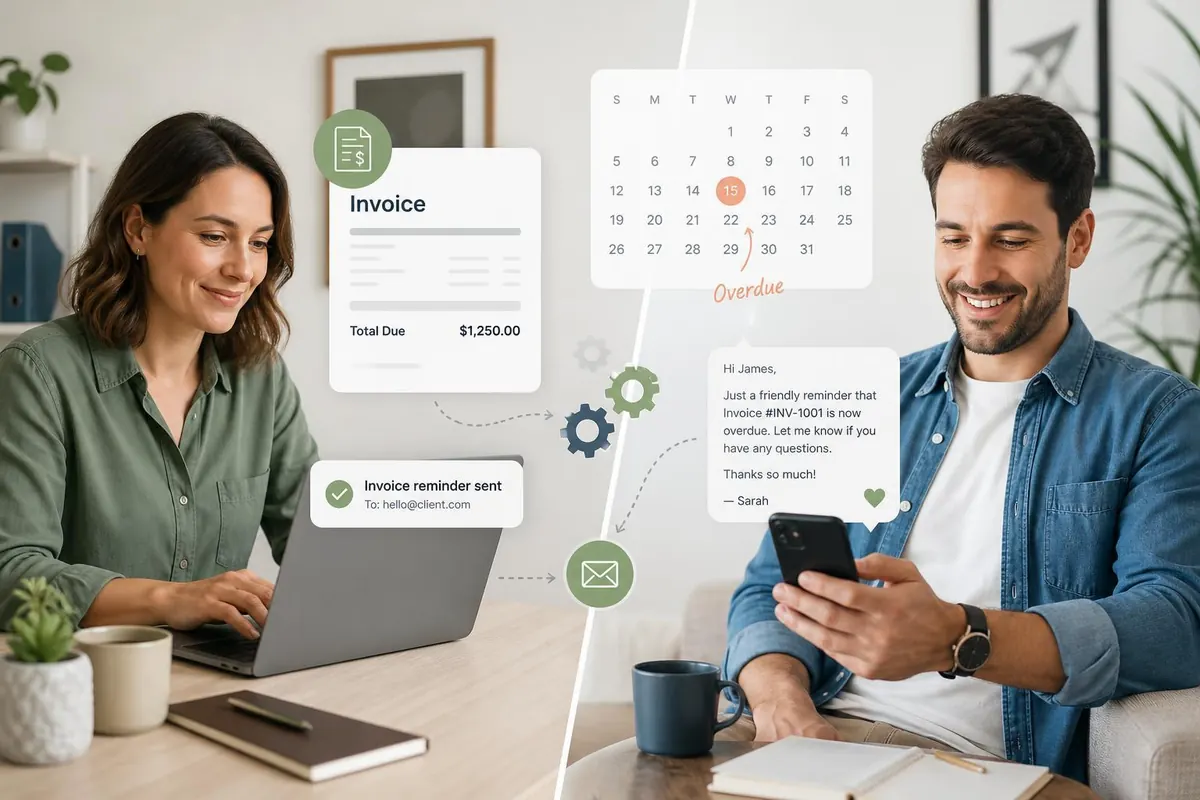
Managing invoices and accounts receivable is a daily reality for small business owners in British Columbia. Automated follow-up systems save time and improve cash flow, but poorly designed overdue reminders can damage client relationships. This article explains how to design an automated overdue reminder workflow that’s professional, legally sound, and customer-friendly. You will learn core principles for tone and timing, a practical sequence you can implement, sample wording and personalization tips, and the operational and legal considerations specific to BC. The goal is to recover unpaid invoices without appearing aggressive, so you keep repeat business and preserve your brand while minimizing financial friction.
Principles of friendly overdue reminders
Good overdue reminders balance firmness with respect. Keep these principles in mind when you design automation:
- Assume good intent: Many late payments are innocent oversights. Start conversations under that assumption, which lowers friction and increases response rates.
- Be clear and factual: State the invoice number, date, original amount, due date, and outstanding balance. Clear facts reduce back-and-forth and disputes.
- Progressive tone: Shift tone gradually from friendly to firm as days pass. Don’t jump straight to threats or legal language on the first reminder.
- Offer convenience: Include direct payment links, multiple payment methods, and instructions for partial payments or payment plans.
- Personalize where it matters: Use the client’s name, reference the service or product, and mention any prior positive interactions to keep the message human.
Designing an automated reminder sequence
Create a predictable, escalating workflow so customers know what to expect. Below is a practical sequence you can adapt. Adjust timing to fit your cash flow needs, but keep spacing regular so customers aren’t overwhelmed.
| Days after due date | Purpose | Channel | Tone | Example action/fee |
|---|---|---|---|---|
| 1–3 days | Friendly nudge | Email / SMS (optional) | Helpfully curious | “Reminder: invoice #123 for $450 is due. Pay online here.” |
| 7–10 days | Second reminder | Email + optional phone | Polite and clear | Include payment link and ask if there’s a problem |
| 21–30 days | First overdue notice | Email + phone | Firm, offer solutions | Note potential late fee policy (e.g., $25 flat or 1.5% per month). State dispute process. |
| 45–60 days | Final notice / escalation | Phone + certified letter | Firm, last attempt | Offer payment plan; warn of collection referral if no response |
Keep monitoring responses and stop automatic messages once a payment plan is approved. Consistency is key: an automated system that follows this predictable path is less likely to surprise or offend clients.
Message wording, personalization, and segmentation
Words matter. Small changes in phrasing dramatically affect how reminders are received. Use the following tactics:
- Start with a friendly salutation: “Hi Jamie,” rather than impersonal “Dear client.”
- Use plain language: Avoid legalese. Say “overdue” instead of “in default” at early stages.
- Provide quick action steps: One-click payment links, bank transfer details, or a phone number to call. Make the desired action obvious.
- Segment communications: Tailor tone based on client value and history. Long-term loyal clients deserve softer language and more flexibility than one-off customers.
- Templates and examples:
- Friendly first reminder: “Hi [Name], hope you’re well. This is a friendly reminder that invoice #[#] for $[amount] was due on [date]. Pay now: [link]. Need more time? Reply and we’ll work something out.”
- Firm overdue notice: “Hi [Name], invoice #[#] remains unpaid. Current balance: $[amount]. Please settle within 7 days or contact us to arrange a plan. Note: late fee policy applies.”
- Final notice: “This is our final notice before collection. Please contact us by [date] to avoid further action.”
Personalization can be automated: include customer name, last product or service, purchase date, and a note like “Thanks for your continued business.” That small human touch reduces hurt feelings.
Legal and operational considerations in British Columbia
When automating receivable follow-ups in BC, protect your business and your customers by following local rules and best practices:
- Privacy and data security: Comply with BC’s Personal Information Protection Act (PIPA). Store invoice and contact data securely and limit who can access it. Only share customer data with third parties when legally allowed and with consent.
- Late fee transparency: If you plan to charge late fees or interest, state this clearly on the invoice and in your terms of service. Be careful: for consumer transactions there are legal limits and expectations; for B2B you generally have more flexibility, but always be reasonable and explicit.
- Collection agency rules: If you outsource collections, use licensed firms and verify their practices. Aggressive or misleading collection tactics can create legal risk and reputational harm.
- Dispute handling: Build a quick dispute-response path into your workflow. Acknowledging disputes and pausing automated escalation preserves relationships and reduces errors.
- Escalation and documentation: Keep a clear audit trail of reminders and communications. If a matter proceeds to small-claims or collections, documented attempts to resolve the debt strengthen your position.
Conclusion
Automated overdue reminders can protect cash flow while preserving client relationships if designed with clarity, empathy, and incremental firmness. Start every sequence with the assumption of good intent, provide clear facts and easy payment options, and escalate tone and channels in measured steps. Personalize messages and segment customers so loyal clients receive more flexibility. Ensure your systems comply with BC requirements for privacy, transparent late fees, and collection practices. Finally, document all communications and offer dispute and payment-plan options to resolve issues before they become adversarial. With a consistent, customer-centered approach you will reduce late payments without alienating the clients you want to keep.