
Surveillance System
From Field to Feed: Practical Workflows for Modern Surveillance Systems
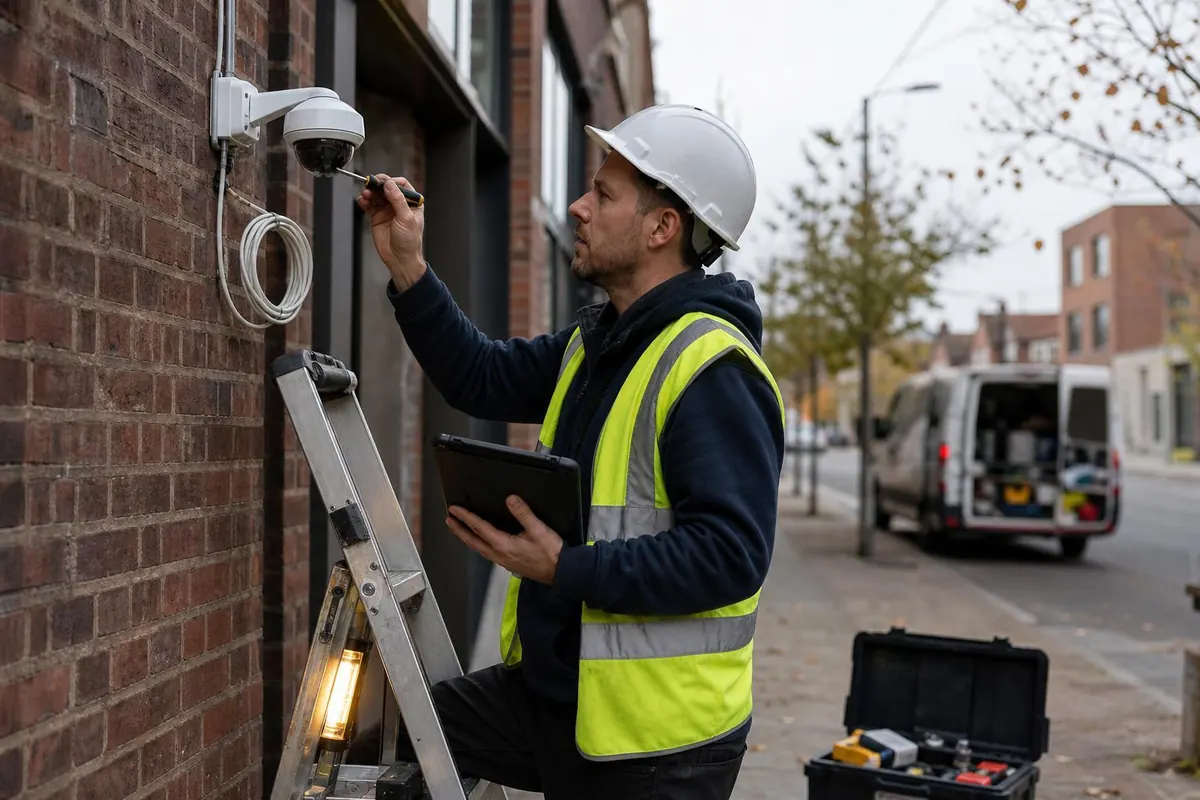
Surveillance system
Introduction
Surveillance systems are the backbone of modern security strategies for homes, businesses, and public spaces. This article examines what surveillance systems are made of, the main technologies in use, and how to design and maintain an effective installation. We will look beyond basic camera placement to cover analytics, storage choices, regulatory considerations, and ongoing operational costs. Whether you are specifying a system for a small retail store or assessing city-scale deployments, understanding the interaction between hardware, software, and human processes is essential. The goal is to provide practical guidance that balances performance, privacy, and budget so you can make informed decisions about selecting, deploying, and managing a surveillance solution that meets your objectives.
What a surveillance system includes
A surveillance system is an integrated set of components that collect, transmit, store, analyze, and present video and related data. Core elements include cameras, lenses, mounting and housings, transmission media (cable or wireless), recording devices (DVR, NVR, or cloud storage), and management software. Supporting infrastructure often consists of power supplies or PoE switches, network equipment, and environmental protections such as weatherproof enclosures. Analytics modules add motion detection, object recognition, face matching, and license plate reading. Human factors matter too: monitoring stations, alarm procedures, and staff training ensure alerts are acted on. A well-designed system aligns camera capability and placement with monitoring and response processes for meaningful security outcomes.
Types and key technologies
Choosing the right technology depends on the use case. Analog systems remain cost-effective for simple coverage, while IP cameras provide higher resolution, encryption, and flexible analytics. Thermal and low-light cameras excel where visibility is limited or privacy-sensitive. Edge processing shifts analytics to the camera, reducing bandwidth and latency. Cloud platforms simplify remote access and offsite redundancy but introduce recurring costs and data sovereignty considerations. Video codecs such as H.264 and H.265 reduce storage needs; newer codecs and adaptive bitrate streaming further optimize network load. Each choice affects image quality, storage footprint, latency, and total cost of ownership, so evaluate them together rather than in isolation.
Design considerations and best practices
System design begins with objectives: deterrence, detection, identification, or evidence collection. From objectives derive requirements for resolution, frame rate, and retention periods. Use a layer approach: perimeter detection, access-point coverage, and interior monitoring to avoid duplication while ensuring no gaps. Consider these practical guidelines:
- Perform a site survey to identify lighting, sightlines, and tamper risks.
- Match lens focal length and sensor size to target distances for reliable identification.
- Plan storage by retention policy; calculate required capacity using resolution, fps, and compression.
- Secure devices with firmware updates, strong passwords, network segmentation, and encryption.
- Comply with local privacy laws: signage, data minimization, and access controls.
Good designs integrate analytics that reduce false alarms and prioritize events for human review. They also build in scalability so the system can grow without wholesale replacement.
Maintenance, costs and measuring effectiveness
Operating costs extend beyond initial procurement. Budget for periodic maintenance, camera cleaning and alignment, firmware updates, storage expansion, and monitoring staff or service contracts. Measure effectiveness through metrics such as detection-to-response time, ratio of verified incidents to alerts, and storage utilization. Regular audits validate camera angles and retention compliance.
Below is a quick reference comparing common camera types and typical considerations.
| Camera type | Typical resolution | Best use | Relative cost | Storage impact |
|---|---|---|---|---|
| Analog (HD-TVI) | 720p–1080p | Basic coverage, budget projects | Low | Low to medium |
| IP fixed | 2MP–12MP | Office, retail, scalable systems | Medium | Medium to high |
| PTZ | 2MP–8MP | Wide-area monitoring with active control | Medium to high | Variable |
| Thermal | Low res (thermal), paired with visual | Perimeter detection, night operations | High | Low to medium |
Conclusion
Surveillance systems are multidisciplinary solutions combining hardware, software, network design, and human procedures. Effective systems start with clear objectives that guide choice of camera types, analytics, storage, and maintenance plans. Technology choices such as IP versus analog, edge analytics, and cloud storage directly influence cost, scalability, and data security, so weigh short-term savings against long-term operational burden. A successful deployment balances coverage and image quality with privacy compliance and cybersecurity. Regular testing, firmware management, and performance metrics keep systems reliable and cost-effective. Ultimately, a thoughtfully specified and maintained surveillance system reduces risk, improves situational awareness, and provides defensible evidence when incidents occur.