
Introduction
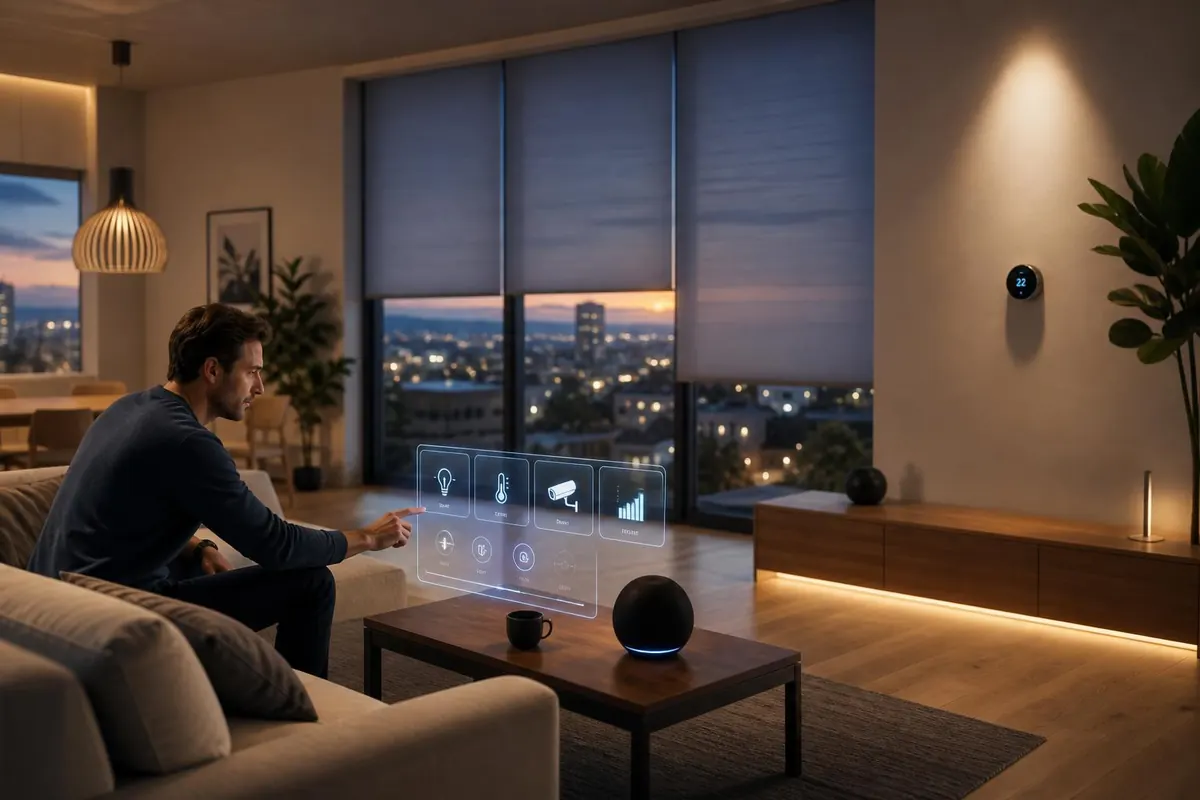
Home automation transforms ordinary houses into responsive, efficient living spaces by connecting appliances, sensors and controls through networks and software. This article explores what home automation is, the technologies that enable it, practical applications from lighting to climate control, and how to plan a secure, scalable system. You will learn the core components—hubs, protocols, smart devices—and see concrete examples of energy savings, convenience and safety. Whether you are buying your first smart bulb or designing a whole-house installation, understanding interoperability, user experience and security will help you make informed choices. The goal is to present actionable guidance so you can adopt automation that fits your lifestyle, budget and long-term goals.
What is home automation and why it matters
Home automation refers to the centralized or distributed control of household functions through software and connected hardware. At its simplest it replaces manual tasks with scheduled or sensor-driven actions; at its most advanced it uses machine learning and presence detection to anticipate needs. The technology matters because it directly affects three key outcomes:
- Comfort and convenience: Automated routines reduce friction in daily life, for example by warming a bathroom before use or turning off lights when rooms are empty.
- Energy efficiency: Smarter control of heating, cooling and lighting lowers utility bills and carbon footprint.
- Safety and security: Integrated sensors, cameras and locks enable faster response to intrusion, fire or water leaks and can automate emergency actions.
Understanding these benefits helps prioritize investments and choose solutions that deliver measurable value rather than gadget-driven complexity.
Core components and technologies
A reliable system combines hardware, connectivity and software. The main elements include:
- Sensors and actuators: Motion sensors, door/window contacts, thermostats and smart plugs detect conditions and perform actions.
- Controllers and hubs: Local hubs or cloud platforms orchestrate devices and run automation rules.
- Connectivity: Wi-Fi, Zigbee, Z-Wave, Thread and Bluetooth each have trade-offs for range, power and interoperability.
- User interfaces: Mobile apps, voice assistants and dedicated panels provide control and feedback.
Interoperability is a central concern: choose protocols and platforms that match your priorities. For example, low-power battery sensors often use Zigbee or Z-Wave, while bandwidth-heavy cameras use Wi-Fi. Hybrid systems that mix local automation logic with cloud services offer resilience and advanced features like voice control or remote monitoring.
Practical applications and measurable benefits
Real-world automation projects focus on measurable outcomes. Common use cases include:
- Lighting automation: Motion-based lighting schedules and dimming reduce energy use and extend bulb life.
- Climate control: Smart thermostats learn occupancy and optimize HVAC runtime for comfort and savings.
- Security and monitoring: Integrated cameras, smart locks and sensors automate alerts and secure entry management.
- Appliance and irrigation control: Smart plugs and valves automate off-peak operation and water conservation.
Below is a compact table with typical device types, cost ranges and realistic energy or convenience impact estimates to help prioritize purchases.
| Device type | Typical cost (USD) | Typical energy or benefit | Common protocols |
|---|---|---|---|
| Smart bulb | 10–50 | 10–30% lighting energy reduction with schedules | Wi-Fi, Zigbee, Thread |
| Smart thermostat | 100–300 | 10–15% heating/cooling savings | Wi-Fi, Z-Wave |
| Smart lock | 100–250 | Improved access control and remote locking | Bluetooth, Z-Wave, Wi-Fi |
| Security camera | 50–300 | Remote monitoring and deterrence | Wi-Fi, Ethernet |
| Leak sensor | 20–70 | Prevents costly water damage | Zigbee, Z-Wave, Wi-Fi |
Planning, security and future trends
Plan automation as an integrated project, not a collection of one-off purchases. Start with core needs, map use cases to devices, and prioritize open standards for futureproofing. Key planning tips:
- Define must-have use cases: Security, energy savings or convenience—rank them to guide purchases.
- Choose central control strategy: Local-first for reliability, cloud-first for easy remote access and advanced analytics.
- Design for security: Use strong unique passwords, enable two-factor authentication, segment IoT devices on a separate network and keep firmware updated.
- Scalability: Prefer modular devices and platforms with active developer ecosystems so you can expand without vendor lock-in.
Emerging trends that will shape the next five years include wider adoption of Thread and Matter standards for cross-vendor compatibility, edge AI for more private local automation, and tighter energy-grid integration to support demand response and home energy management.
Conclusion
Home automation offers tangible improvements in comfort, energy efficiency and safety when systems are planned around real needs and open technologies. Start by defining priorities, choose devices and protocols that match those priorities, and favor platforms that balance local control with cloud conveniences. Security practices—network segmentation, strong authentication and regular updates—are essential to protect privacy and reliability. Incremental deployments, beginning with high-impact items like thermostats and security sensors, let you measure benefits and scale the system. Looking ahead, standards such as Matter and smarter edge processing will simplify integration and increase privacy. With deliberate planning, home automation can reduce costs, improve daily routines and add lasting value to your home.