
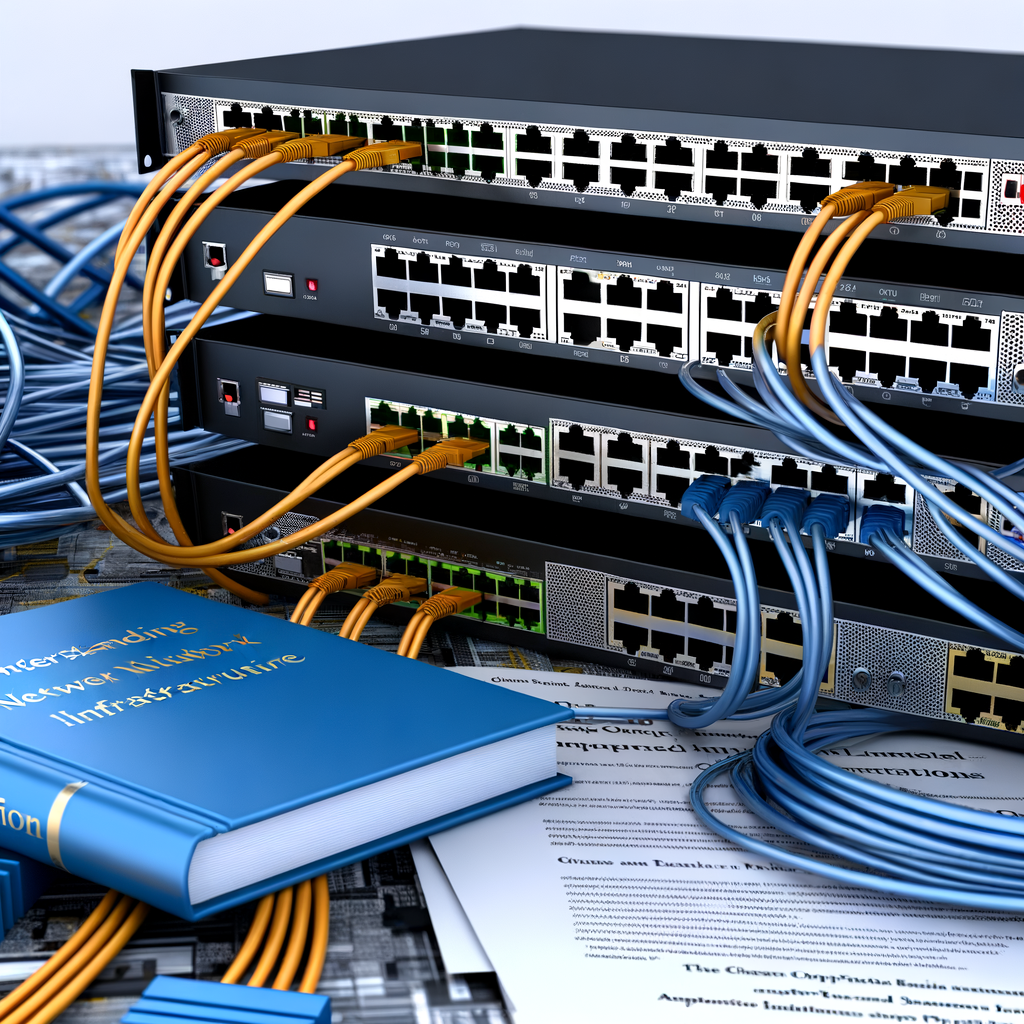
Understanding Network Infrastructure
In today’s digital age, a robust network infrastructure is crucial for businesses and organizations to thrive. This article delves into the components and importance of network infrastructure, exploring how it supports connectivity, data transfer, and overall operational efficiency. We will also discuss best practices for optimizing your network infrastructure to ensure seamless performance and reliability.
The Components of Network Infrastructure
Network infrastructure comprises various components that work together to facilitate data communication and connectivity. These elements include:
- Routers: Devices that route data between different networks, ensuring that information reaches its intended destination.
- Switches: Hardware that connects devices within a single network, managing data traffic efficiently by directing it to the appropriate devices.
- Cabling: The physical cabling (e.g., Ethernet cables, fiber optics) that connects network devices and enables data transmission.
- Firewalls: Security systems that monitor and control incoming and outgoing network traffic, providing protection against unauthorized access.
- Access Points: Devices that allow wireless devices to connect to a wired network, enhancing mobility and connectivity.
Understanding these components is essential for creating a reliable network infrastructure. Each plays a unique role in ensuring that data flows smoothly, securely, and efficiently across networks.
Best Practices for Optimizing Network Performance
Once the components of network infrastructure are in place, the next step is optimization. Here are several best practices to consider:
- Regular Monitoring: Continuously track network performance metrics to identify potential bottlenecks and areas for improvement.
- Implement Redundancy: Establish backup connections and devices to ensure network availability and minimize downtime.
- Segment Networks: Divide larger networks into smaller sub-networks to improve efficiency and manageability.
- Update Hardware and Software: Regularly upgrade devices and software to leverage advancements in technology, enhancing performance and security.
- Employ Quality of Service (QoS): Prioritize certain types of traffic to ensure that critical applications receive the necessary bandwidth and resources.
By integrating these best practices, organizations can create a dynamic and resilient network infrastructure that meets their evolving needs while maintaining optimal performance.
Conclusion
In summary, understanding and implementing a robust network infrastructure is vital for today’s organizations. By familiarizing yourself with its components and adopting best practices for optimization, you can enhance connectivity, security, and performance. Investing time and resources into your network infrastructure will ultimately lead to increased efficiency and operational success in an ever-connected world.