
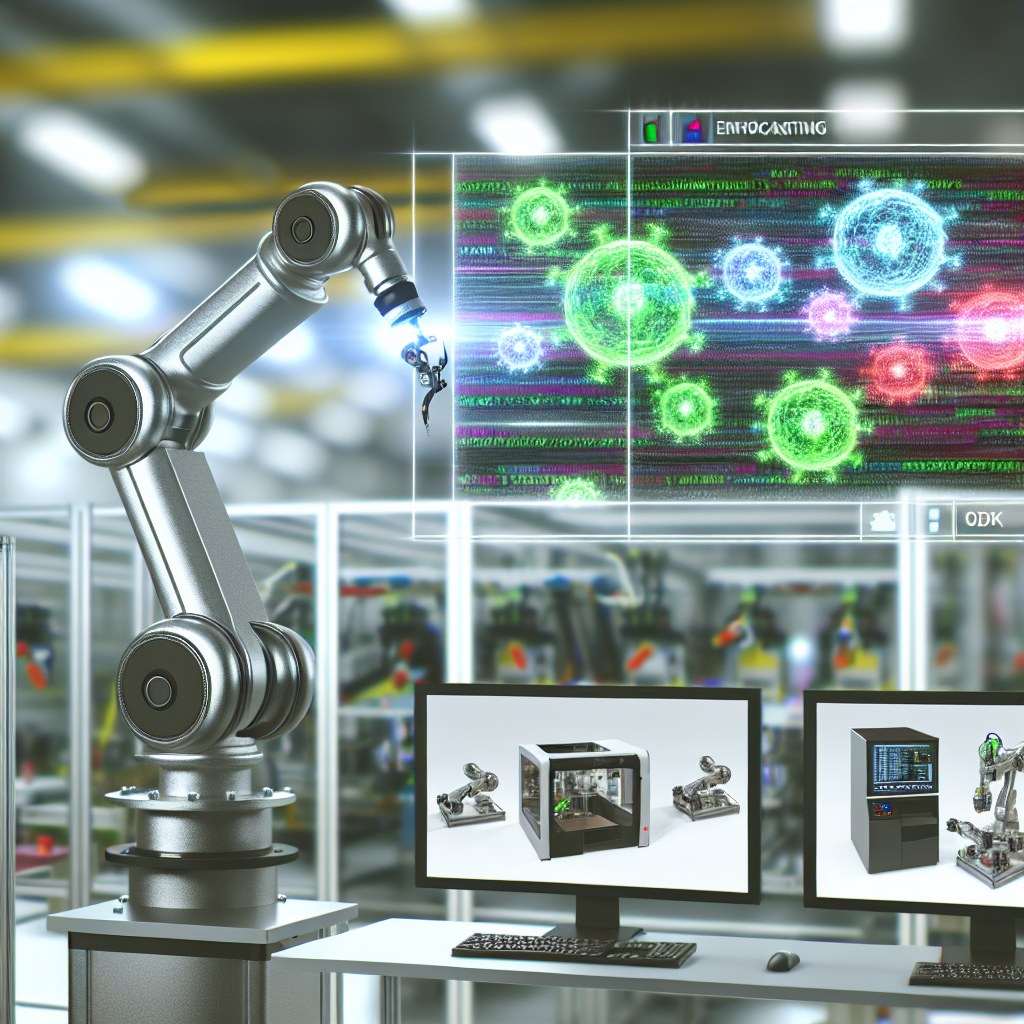
Automation has become an integral part of modern businesses, transforming the way we work and interact with technology. From streamlining processes to enhancing productivity, automation offers numerous benefits across various industries. In this article, we will explore what automation can do, its advantages, and its impact on the future of work.
Streamlining Processes
One of the most significant advantages of automation is its ability to streamline processes. By utilizing software and technology, businesses can automate repetitive tasks, reducing human error and freeing up valuable time for employees. For instance, customer relationship management (CRM) systems can automate data entry and follow-ups, allowing sales teams to focus on building relationships rather than handling administrative duties.
Additionally, automation can optimize workflows. For example:
- Inventory Management: Automated systems can track stock levels, reorder products, and forecast demand, ensuring that businesses never run out of essential items.
- Marketing Campaigns: Tools that automate email marketing can segment audiences, personalize content, and schedule posts, maximizing engagement with minimal effort.
This streamlining not only increases efficiency but also enhances the overall experience for customers, leading to improved satisfaction and loyalty.
Enhancing Productivity and Decision-Making
Automation significantly enhances productivity by allowing employees to concentrate on higher-level tasks that require critical thinking and creativity. When mundane tasks are automated, teams can innovate and develop strategies that drive business growth. This shift in focus can lead to improved job satisfaction and reduced burnout.
Furthermore, automation tools often come equipped with advanced analytics that provide valuable insights. By analyzing data trends, businesses can make informed decisions quickly. For example:
- Predictive Analytics: Automation can evaluate historical data to forecast future trends, helping companies stay ahead of the competition.
- Automated Reporting: Regularly updated reports generated by automated systems allow leaders to monitor performance metrics in real time, enabling faster strategic adjustments.
As a result, the combination of increased productivity and data-driven decision-making positions businesses for long-term success.
In conclusion, automation is revolutionizing the business landscape by streamlining processes and enhancing productivity. By reducing the burden of repetitive tasks, companies can foster a more innovative and strategic work environment. As automation continues to evolve, embracing its benefits will be essential for businesses aiming to thrive in a competitive market. The potential of automation is vast, paving the way for a more efficient and effective future.