
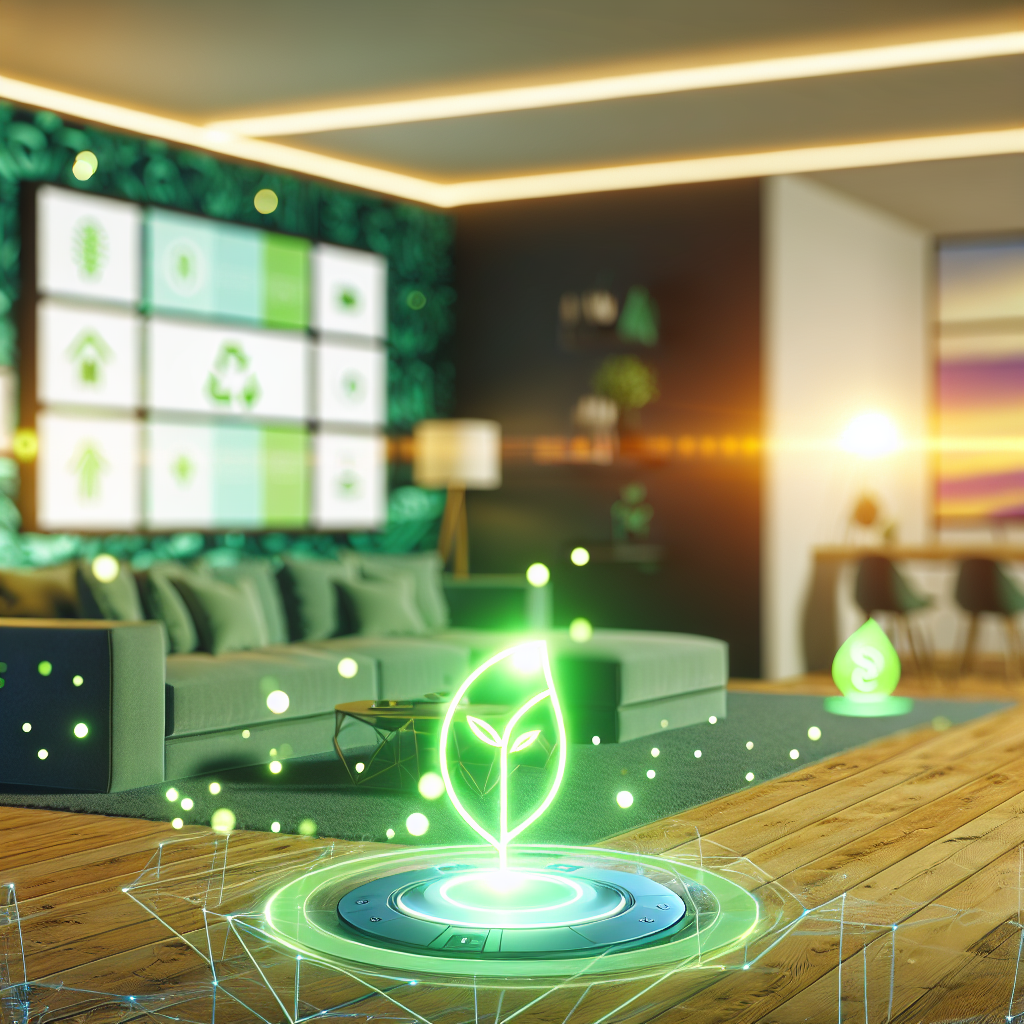
In today’s rapidly evolving technological landscape, smart homes equipped with artificial intelligence (AI) are revolutionizing the way we live. These advancements not only enhance convenience but also significantly improve energy efficiency, security, and overall quality of life. This article will explore the integration of smart homes and AI, examining their benefits, challenges, and future potential.
The Rise of Smart Homes and AI Integration
The concept of a smart home revolves around the interconnectivity of various devices that work together to automate household tasks. At the heart of this innovation lies artificial intelligence, which powers systems that learn from user behavior to provide personalized experiences. For instance, AI-driven thermostats can analyze your daily routines and adjust heating or cooling accordingly, leading to significant energy savings.
Moreover, smart home assistants like Amazon Alexa or Google Assistant utilize natural language processing to interact with residents, control smart devices, and provide information. This seamless integration simplifies daily life, enabling users to manage tasks through simple voice commands. As consumers increasingly embrace these technologies, the demand for AI-enabled smart home solutions continues to grow, pushing developers to innovate and improve existing products.
Challenges and Future Prospects
Despite the undeniable benefits, the transition to fully smart homes does come with challenges. Security concerns top the list, as interconnected systems are vulnerable to cyberattacks. Data privacy is another critical issue, with users often unaware of how their information is being used. To address these challenges, developers must prioritize robust security measures and transparent data policies to build consumer trust.
Looking ahead, the future of smart homes and AI appears promising, with advancements in machine learning and IoT (Internet of Things) technology expected to enhance their capabilities. Innovations such as predictive analytics will allow homes to anticipate needs and optimize energy usage further. As technology matures, smart homes will become more intuitive, paving the way for an era where automation becomes an integral part of our daily lives.
In conclusion, the synergy between smart homes and artificial intelligence is transforming residential living by enhancing convenience, efficiency, and security. Although challenges like security and privacy remain, ongoing technological advancements promise a future where our homes are not only smarter but also more responsive to our needs. Embracing these innovations can lead to a significantly improved quality of life, making it an exciting time for homeowners and tech enthusiasts alike.