
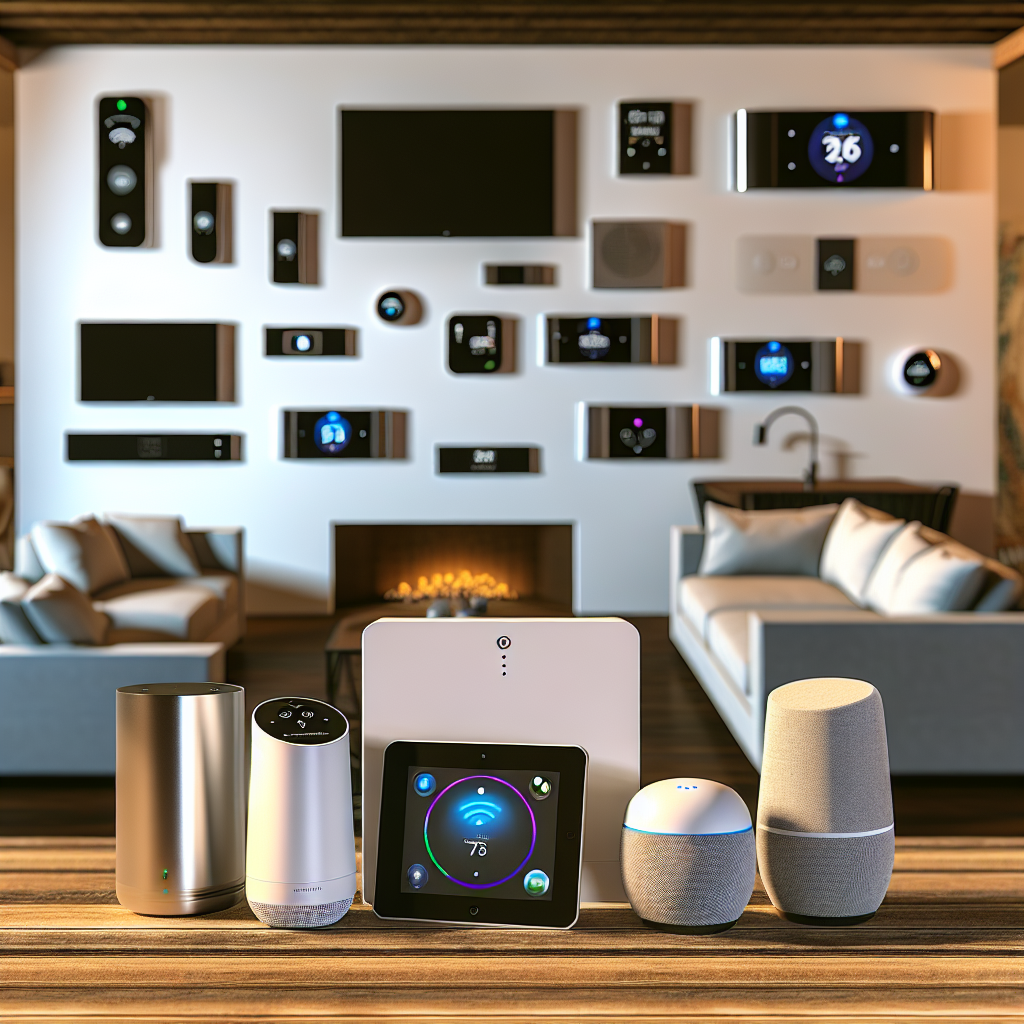
In today’s fast-paced world, the integration of smart home technology and artificial intelligence (AI) is revolutionizing how we interact with our living environments. This article delves into the transformative power of smart homes and AI, exploring their roles in enhancing convenience, security, and energy efficiency, while also addressing potential challenges and future possibilities.
The Rise of Smart Homes
Smart homes refer to residences equipped with devices that automate tasks and enhance the quality of life. These innovations range from smart speakers and thermostats to security systems and lighting. The primary goal of smart homes is to streamline daily routines, providing comfort and increased efficiency. With the rise of IoT (Internet of Things), devices can communicate with one another, creating a cohesive ecosystem.
One key component of this ecosystem is the use of AI. Smart devices, powered by AI algorithms, learn from user behaviors and preferences, allowing for personalized experiences. For example, a smart thermostat can adjust the temperature automatically based on the homeowner’s schedule, while smart lighting systems can create ambient settings that adapt to time of day or activities. This adaptability not only enhances comfort but also contributes to energy conservation, making smart homes a more sustainable option.
Enhancing Security and Convenience
As smart homes become more prevalent, the integration of AI significantly improves security features. Smart security cameras and doorbells equipped with facial recognition technology can distinguish between familiar faces and strangers, alerting homeowners of any unusual activity. Additionally, connected devices enable remote monitoring, providing homeowners peace of mind, whether they are at work or on vacation.
Moreover, AI enhances convenience in daily tasks. Virtual assistants, such as Amazon Alexa or Google Assistant, use voice recognition to control various smart devices, making it easy for users to manage their homes hands-free. This functionality is especially beneficial for individuals with mobility challenges, allowing them to maintain independence. Furthermore, as machine learning evolves, AI can predict needs before they arise, such as automatically ordering supplies when items run low, further simplifying life for users.
While the advantages of smart home technology powered by AI are significant, it is essential to address concerns regarding data privacy and security. As homes become interconnected, the potential for hacking and unauthorized access increases. Therefore, ensuring robust cybersecurity measures and educating users on best practices are critical steps in navigating this innovative landscape.
In conclusion, the synergy between smart home technology and artificial intelligence is reshaping our living environments, enhancing convenience, security, and energy efficiency. While challenges remain, the potential benefits are unparalleled. As we embrace this technological evolution, it is crucial to prioritize security and privacy, ensuring that our smart homes serve not just as advanced environments, but also as safe havens for the future.