
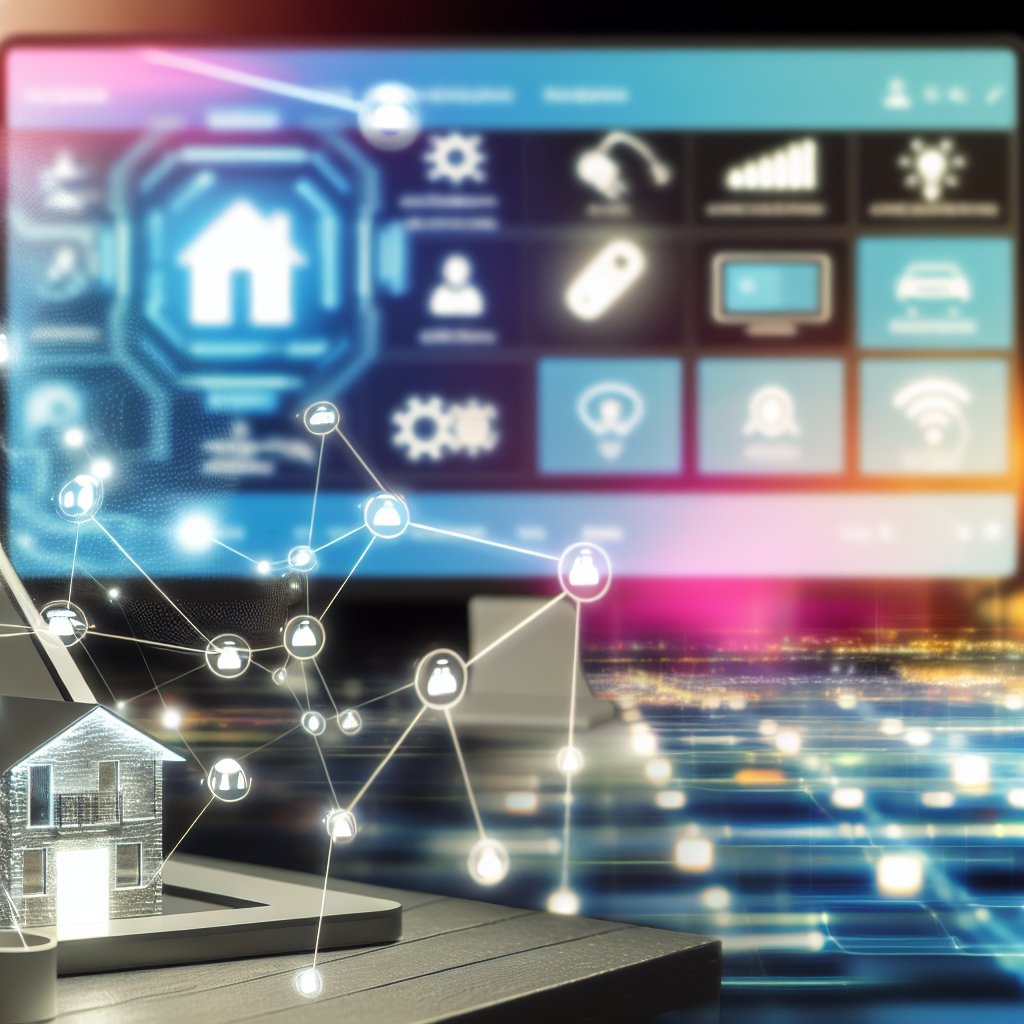
In the rapidly evolving landscape of technology, smart homes and artificial intelligence (AI) are at the forefront of transforming our living spaces. This article explores how these two interconnected domains are redefining convenience, security, and energy efficiency, ultimately paving the way for a more automated and intelligent lifestyle. Join us as we delve deeper into the innovation and impact of smart home technology powered by AI.
The Rise of Smart Home Technology
The concept of a smart home encompasses a variety of devices and systems that enhance the living experience through automation and connectivity. From smart thermostats to security cameras, these gadgets utilize Internet of Things (IoT) technology to communicate and operate seamlessly. At the heart of this revolution is artificial intelligence, which is increasingly being embedded in these devices to analyze data and improve functionalities.
For example, smart speakers like Amazon Echo and Google Home serve not only as voice-activated assistants but also as control hubs for other smart devices within the home. These intelligent systems learn user preferences over time, allowing them to provide tailored recommendations and automate routine tasks, such as adjusting lighting based on the time of day or creating personalized playlists for different moods.
Enhanced Security and Energy Efficiency
AI-driven smart home solutions significantly enhance both security and energy efficiency. Advanced security systems, equipped with AI capabilities, utilize facial recognition and behavioral analytics to distinguish between familiar faces and potential intruders. This level of sophistication helps homeowners feel more secure while providing actionable alerts and emergency notifications in real-time.
Moreover, AI plays a pivotal role in optimizing energy consumption. Smart thermostats use machine learning algorithms to adapt to user behavior, learning optimal heating and cooling schedules that reduce utility bills without sacrificing comfort. These devices analyze patterns and make automatic adjustments, minimizing energy waste and promoting sustainability.
In conclusion, the integration of smart home technology with artificial intelligence represents a significant advancement in how we interact with our living spaces. These innovations not only enhance convenience and security but also promote energy efficiency, contributing to a more sustainable future. As the synergy between smart homes and AI continues to evolve, we can expect even greater advancements that will further enrich our lives and redefine modern living.