
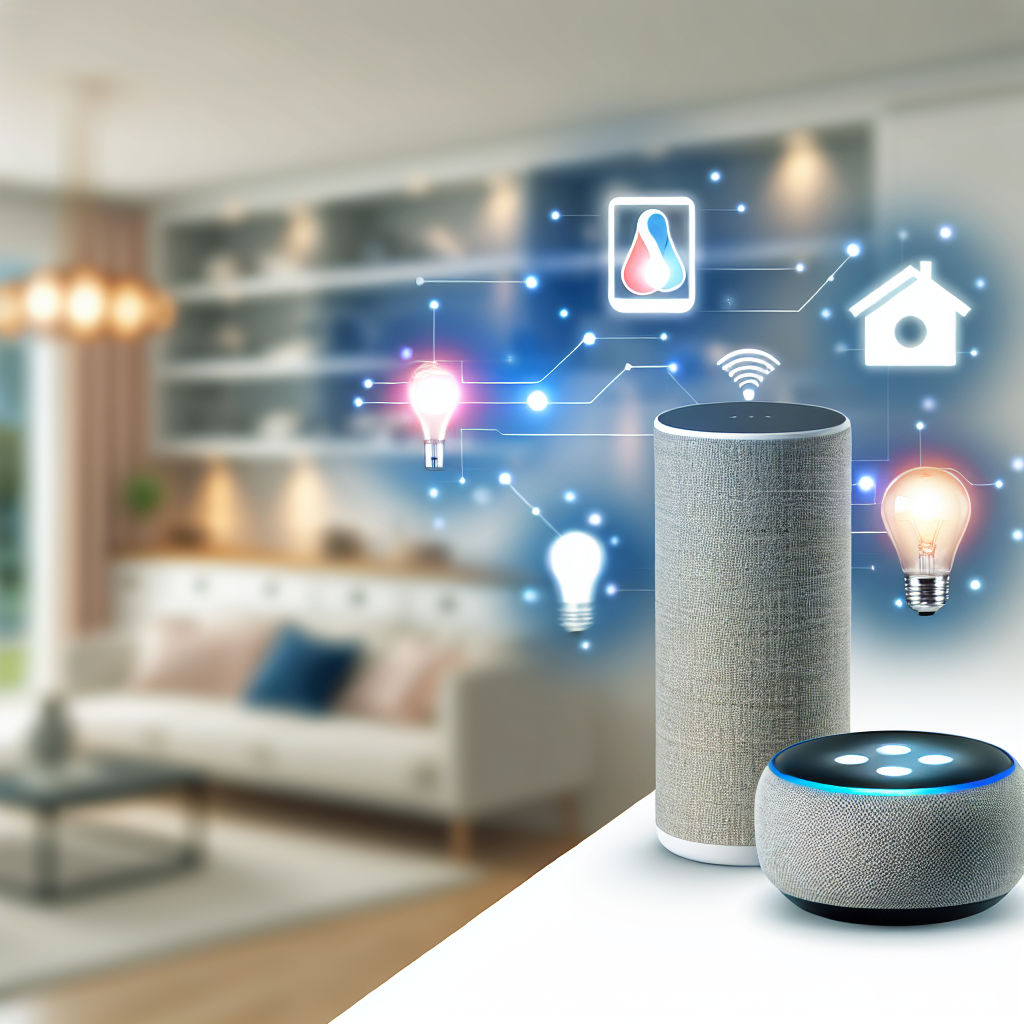
Smart home technology and artificial intelligence (AI) are revolutionizing the way we live, creating a seamless integration of convenience and efficiency in our daily lives. As these innovations continue to evolve, they offer enhanced control over home environments, improved security, and considerable energy savings. In this article, we will explore the interplay between smart home devices and AI, and their transformative impact on contemporary living.
The Foundation of Smart Homes
Smart homes rely on a network of interconnected devices that can be managed remotely through smartphones or voice-activated assistants. These devices encompass a variety of functionalities, including lighting, heating, security, and entertainment systems. The backbone of this technology often includes:
- Smart Speakers: Devices like Amazon Echo and Google Home serve as central hubs, allowing users to control other smart devices through voice commands.
- Smart Thermostats: Devices such as Nest and Ecobee optimize heating and cooling by adapting to user habits, enhancing comfort while minimizing energy consumption.
- Smart Security Systems: Cameras, alarms, and smart locks provide real-time monitoring and enhanced security, often featuring AI-driven alerts for unusual activities.
The integration of AI into these devices allows them to learn from user behavior. For example, a smart thermostat can predict temperature preferences, while smart speakers can understand context-specific commands. This adaptability turns a standard home into a personalized living environment, offering a preview of an increasingly autonomous future.
AI’s Role in Enhancing Smart Home Experiences
As AI technologies advance, their impact on smart homes becomes more pronounced. The ability of AI to process vast amounts of data quickly and accurately leads to numerous enhancements in functionality:
- Automated Routines: AI can learn user patterns and establish routines that automatically adjust settings according to times of day or occupancy. For instance, lights may dim and the thermostat adjust down when users go to bed.
- Predictive Maintenance: Smart appliances equipped with AI can predict when they are likely to require maintenance or repairs, potentially avoiding costly breakdowns.
- Enhanced Security Analytics: AI-driven security systems can differentiate between familiar faces and strangers, reducing false alarms while improving security measures.
By combining machine learning algorithms with smart home devices, users benefit from a system that not only responds to commands but also anticipates needs. This results in improved energy efficiency, heightened security, and an overall smarter living experience.
In conclusion, the integration of smart home technology with artificial intelligence is reshaping our homes and daily routines. By enhancing convenience and security, these technologies allow for smarter living that evolves with user habits and preferences. As these innovations continue to develop, they promise an even more intuitive and responsive home environment, paving the way for a future where homes are not just smart but also deeply personalized. Embracing this technology can set the stage for a more efficient and enjoyable living experience.