
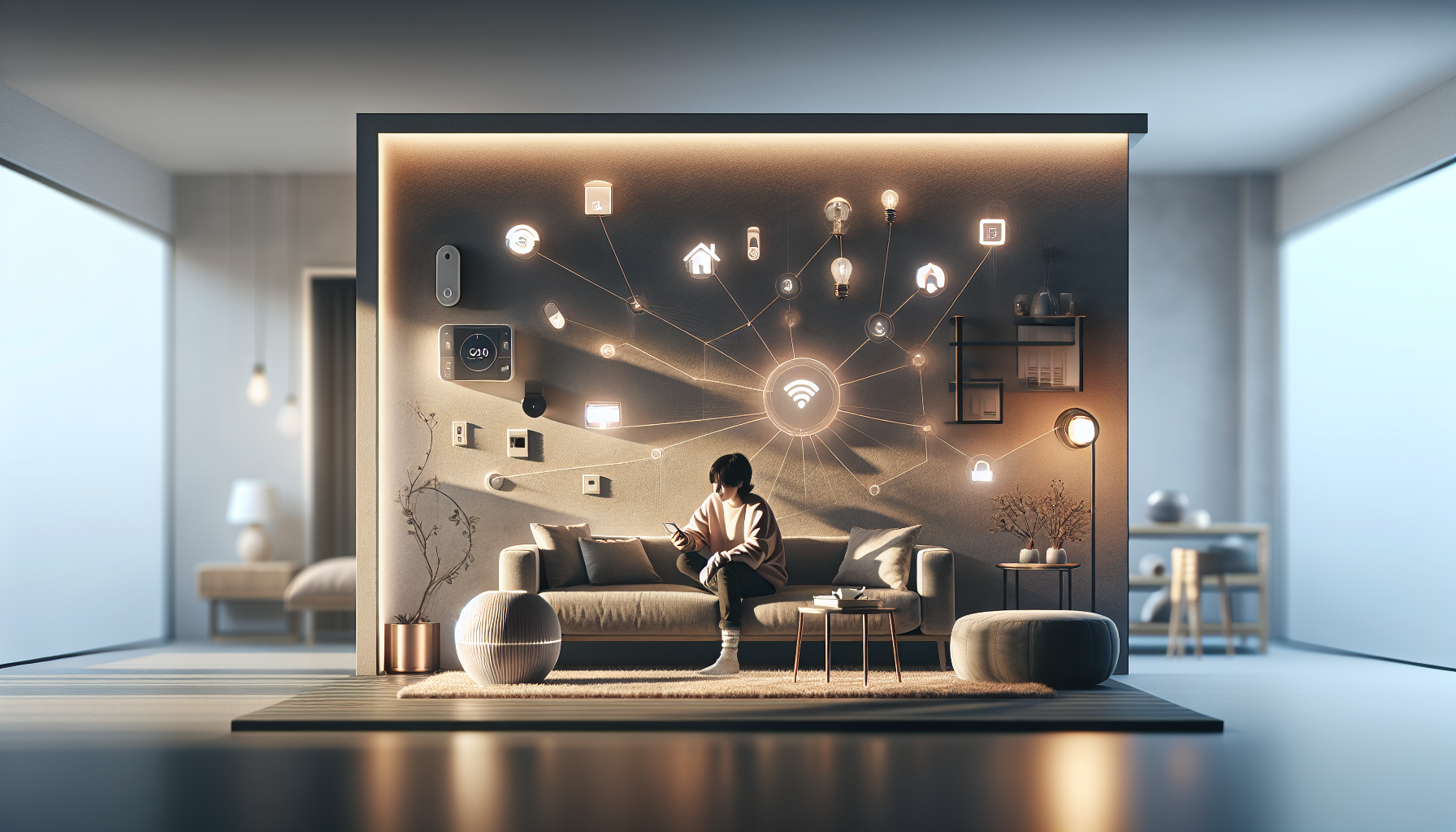
Home automation: introduction to smart living
Home automation transforms everyday life by connecting devices, sensors, and services so a home can respond automatically to residents, schedules, and environmental changes. This article explores what home automation means today, the technologies that enable it, how to plan and install an effective system, and how to maximize returns while safeguarding privacy and security. Whether you are adding a single smart thermostat or designing a whole-house system, understanding protocols, platform choices, and realistic use cases will help you avoid costly mistakes. The following sections move from core concepts to practical steps and future trends, offering actionable guidance and a comparison table to support decision making for homeowners and installers alike.
What home automation is and why it matters
At its core, home automation is the coordination of devices to perform tasks with minimal human intervention. Typical goals are greater comfort, safety, convenience, and energy efficiency. Early systems focused on remote control; modern smart homes emphasize automation driven by rules, schedules, and sensor inputs, often enhanced by voice assistants and mobile apps. The value proposition varies by household:
- Comfort: automated routines such as morning lighting and climate adjustments.
- Security: cameras, smart locks, and door/window sensors that notify or act automatically.
- Efficiency: smart thermostats and lighting that reduce energy use.
- Accessibility: voice and automation assist people with mobility or sensory impairments.
Understanding these motivations helps define use cases. Those use cases then determine what technologies and devices are appropriate, which is the next step.
Key components and technologies
A reliable smart home blends hardware, communication protocols, and a control platform. Common components include sensors, actuators, controllers, and the network infrastructure that links them. Key technologies to consider:
- Connectivity: Wi-Fi for high-bandwidth devices, low-power mesh networks such as Zigbee and Z-Wave for sensors, and Bluetooth for proximity tasks.
- Platforms: cloud-first ecosystems from major vendors, plus local-first hubs and open-source platforms for greater control.
- Interfaces: mobile apps, voice assistants, and web dashboards for monitoring and automation rules.
- Standards: emerging interoperability standards such as Matter aim to simplify device compatibility across brands.
Choosing components requires matching the device type to the right connectivity and platform. The table below gives typical cost and energy impact estimates to help prioritize purchases.
| Device type | Typical upfront cost | Estimated annual energy savings | Estimated payback (years) |
|---|---|---|---|
| Smart thermostat | $150–$300 | 8%–15% of heating/cooling costs | 1.5–4 |
| Smart lighting (LED with controls) | $10–$60 per bulb / $50–$200 per room | 10%–20% of lighting costs | 0.5–3 |
| Smart plugs / energy monitors | $15–$50 | Variable; helps eliminate standby loads | 0.5–2 |
| Security sensors and cameras | $30–$250 | Indirect energy impact; high safety value | Not primary ROI device |
| Home automation hub | $80–$300 | Enables efficiency across devices | Depends on system |
Planning and installing an effective system
Good planning prevents frustration. Start with a concise list of use cases and map each to required devices and interactions. Consider the following sequence:
- Audit current network: ensure strong, wired backhaul where possible and reliable Wi-Fi coverage.
- Define core services: security, climate, lighting, and entertainment, then choose a control approach (cloud, local, or hybrid).
- Prioritize interoperability: prefer devices and hubs that support common protocols and the Matter standard when available.
- Plan for redundancy and local control: certain automations should run even if the internet fails.
Security and privacy must be addressed from the start. Use unique passwords, enable multi-factor authentication, segment IoT devices on a separate network, and keep firmware updated. For installations that touch electrical or structural systems, hire licensed professionals. A phased approach—deploying a few automations, validating them, then expanding—keeps costs manageable and reduces integration headaches.
Getting the most value and looking ahead
Maximizing value means balancing upfront cost, ongoing subscriptions, and long-term benefits. Start with high-impact automations: thermostats and schedule-based lighting usually deliver the fastest returns. Track energy and comfort metrics for a few months to measure impact and refine automations. Maintainability matters: document device locations, account credentials, and firmware update routines so the system remains reliable over time.
- Avoid vendor lock-in: favor open APIs and standards to swap components later.
- Plan for privacy: reduce cloud dependency where feasible and review vendor data policies.
- Maintenance: set reminders for battery replacement, firmware updates, and network checks.
Looking forward, expect smarter local processing, broader adoption of standards such as Matter, tighter energy grid integration, and better privacy controls. These trends will simplify setup and increase the durability of your investment.
Conclusion: final thoughts and recommendations
Home automation is most effective when driven by clear use cases, appropriate technology choices, and disciplined planning. Begin by defining the problems you want to solve—saving energy, improving security, or enhancing comfort—then select devices and a control approach that match those goals. Prioritize a robust network, interoperability, and security measures such as network segmentation and firmware management. Small, targeted investments tend to deliver the best immediate returns, while adopting standards and local control helps futureproof the system. Regular maintenance and documentation preserve reliability and value over time. With a phased approach and realistic expectations, a well-designed smart home delivers comfort, savings, and peace of mind without unnecessary complexity.