Let AI Be One of Your Employees
In today’s fast-paced business environment, companies are increasingly utilizing artificial intelligence (AI) to enhance productivity and streamline operations. By treating AI as a virtual employee, organizations can improve efficiency, reduce costs, and focus on strategic tasks. This article delves into the benefits of integrating AI into the workplace and how to effectively implement this innovation.
Understanding the Role of AI in the Workplace
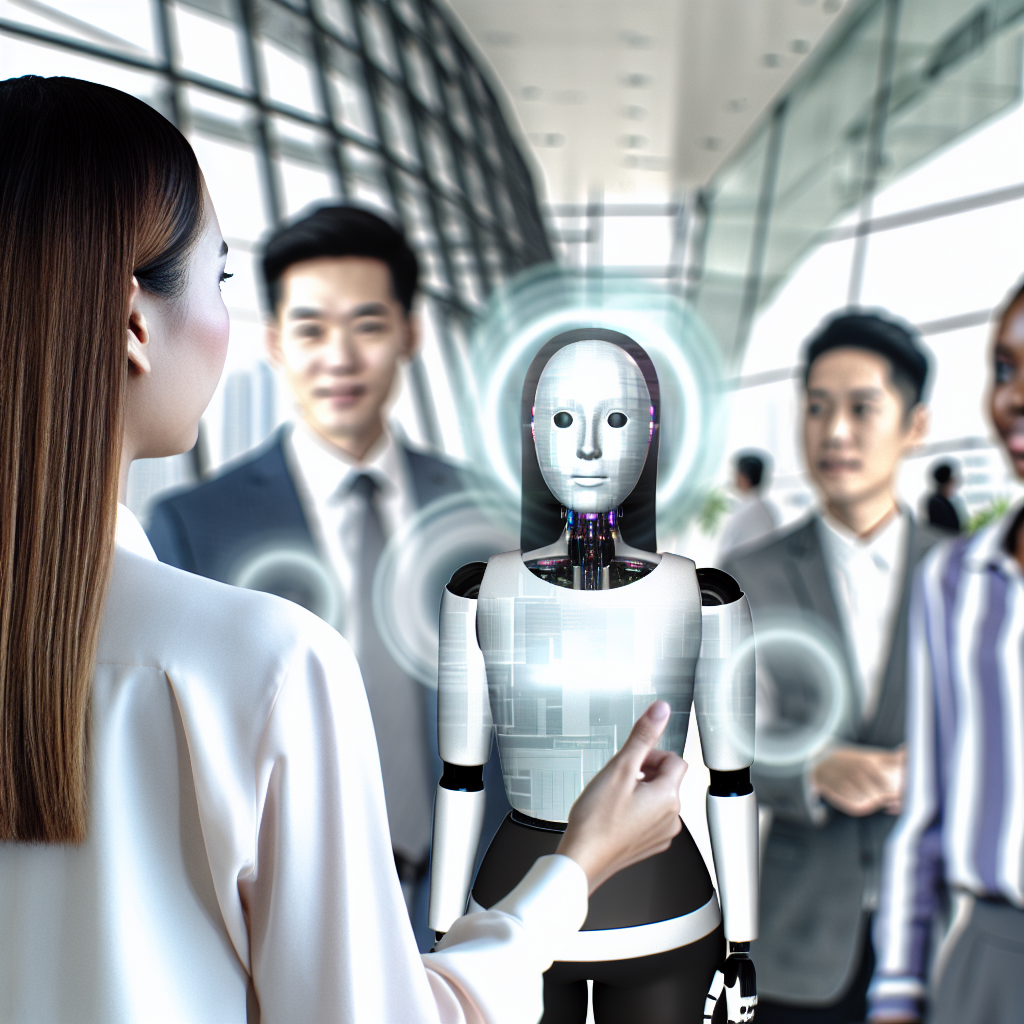
Artificial intelligence has evolved from a futuristic concept into a sophisticated tool capable of performing a variety of tasks. At its core, AI can process vast amounts of data, learn from patterns, and make decisions—qualities that make it an invaluable asset for businesses. By assigning routine tasks to AI, such as data entry, customer service inquiries, or inventory management, human employees can dedicate more time to strategic initiatives and creative problem-solving.
For example, AI chatbots can handle customer queries 24/7, allowing human agents to focus on complex issues that require empathy and critical thinking. Moreover, AI-powered analytics can provide businesses with insights into customer behavior and market trends, enabling them to make informed decisions that promote growth. This symbiotic relationship between AI and human employees not only enhances productivity but also fosters innovation within the workforce.
Implementing AI Effectively in Your Organization
To reap the benefits of AI integration, it’s crucial to approach implementation strategically. Begin by identifying areas within your organization that could benefit from AI tools. This could include automating repetitive tasks, leveraging AI for marketing analysis, or enhancing supply chain management. Collaborate with your IT team to select appropriate AI technologies that align with your business goals.
Training your employees to work alongside AI is also essential. Encourage a culture of learning, where team members feel empowered to embrace technology rather than fear it. This may involve workshops, resources, and regular updates on how AI can enhance their day-to-day operations. Keep an open line of communication to gather feedback and address any concerns, ensuring a smooth transition into an AI-enhanced workflow.
Conclusion
Integrating AI as a virtual employee offers a multitude of advantages, from increasing efficiency to fostering creativity and growth. By understanding its role and implementing it thoughtfully, organizations can leverage AI to transform mundane tasks into strategic opportunities. Embracing this technology not only prepares businesses for future challenges but also empowers their workforce to thrive in a rapidly changing environment.