
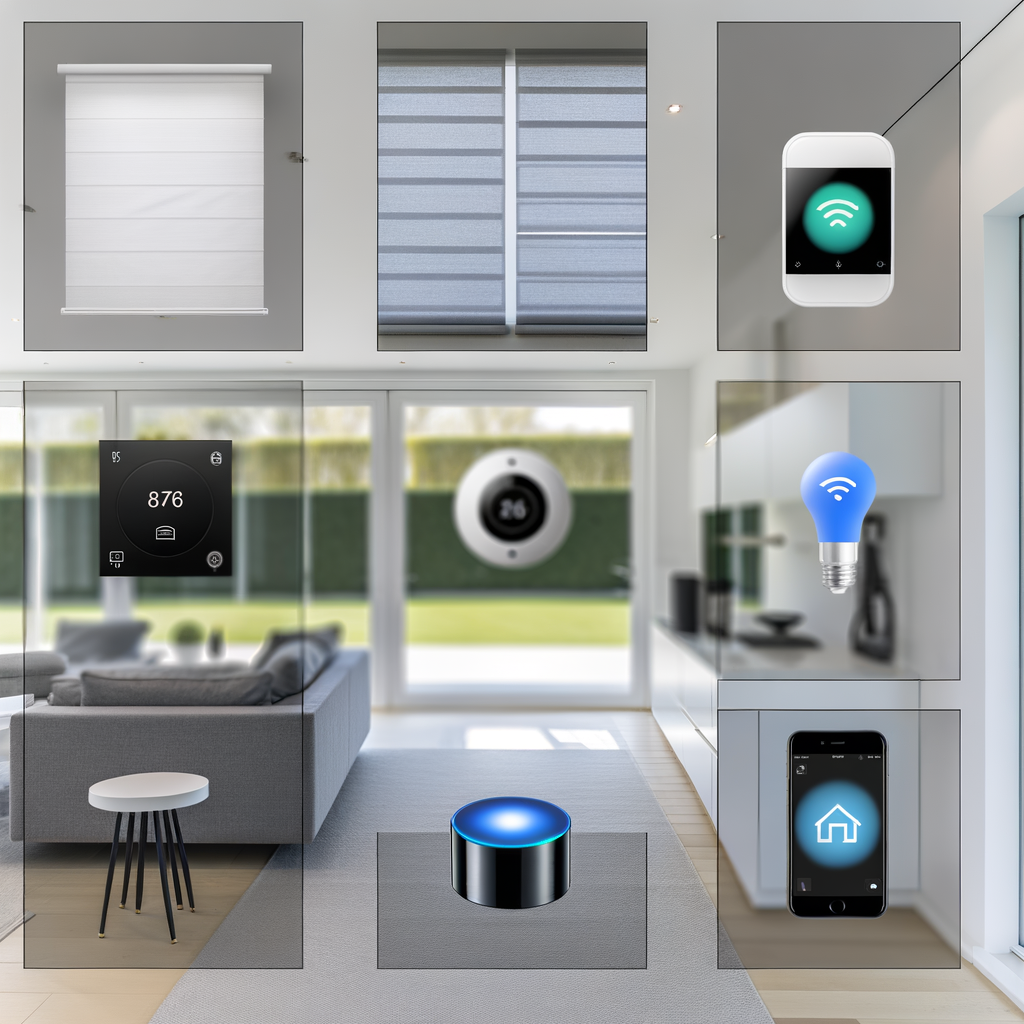
Home automation has emerged as a transformative solution, seamlessly integrating technology into our daily lives. With advancements in smart devices and connectivity, homeowners can now manage their living spaces with unprecedented convenience and efficiency. In this article, we will explore the benefits of home automation, its essential components, and how it contributes to enhanced living environments.
Understanding Home Automation
Home automation refers to the use of technology to control various household systems and devices remotely. This encompasses everything from lighting, heating, and security to more complex systems like entertainment and energy management. The core idea is to create an interconnected environment that enhances comfort, security, and energy efficiency.
One key component of home automation is smart devices, which can communicate with each other via the internet. For instance, smart thermostats learn your temperature preferences and adjust automatically to save energy while maintaining comfort. Similarly, smart lighting systems allow you to schedule lights to turn on or off at specific times, further optimizing energy usage.
Integration plays a crucial role in home automation. Many systems can be combined to work harmoniously, offering centralized control through a single app. Platforms like Google Home or Amazon Alexa enable USERS to manage various devices using voice commands, enhancing ease of use. The rise of home automation not only simplifies daily routines but also improves safety with advanced security systems that monitor and alert homeowners of unusual activities.
Benefits of Home Automation
Investing in home automation brings numerous advantages, chiefly the increase in convenience and control over your living environment. Smart homes provide the ability to monitor and manage systems from anywhere, ensuring that tasks such as adjusting the thermostat or locking doors can be done remotely.
Additionally, home automation enhances energy efficiency. Smart devices can analyze energy consumption patterns, leading to smarter decision-making about energy use. For example, you can schedule smart blinds to open and close based on sunlight, thereby reducing heating costs in the winter and cooling costs in the summer.
Another significant benefit is increased security. Automated security systems equipped with cameras and motion sensors can send real-time alerts to your smartphone, allowing you to stay informed about your home while you are away. Moreover, programmable door locks enable you to grant access to visitors without needing to be physically present.
In summary, home automation offers a comprehensive solution that enhances lifestyle and security while maximizing energy efficiency. By integrating smart devices and systems, homeowners can enjoy unparalleled convenience and peace of mind. As technology continues to evolve, embracing home automation will undoubtedly contribute to more sustainable and efficient living spaces in the future.