
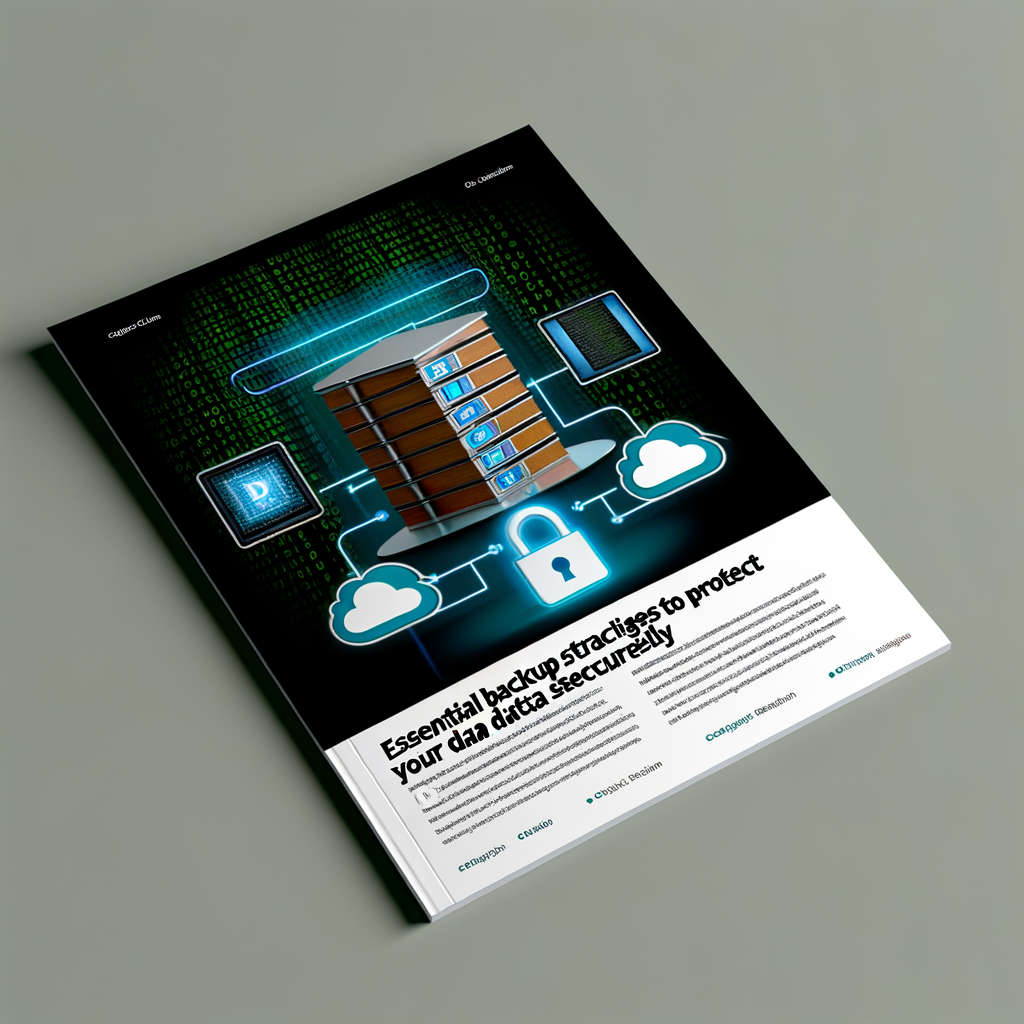
In today’s digital age, ensuring that your data is secure is more critical than ever. Regular backups are essential to protect against data loss, whether from hardware failures, cyberattacks, or accidental deletions. In this article, we will explore the importance of having adequate backups, the different types of backup solutions available, and best practices for maintaining a robust backup strategy.
The Importance of Backup
Data loss can occur unexpectedly, and the consequences can be devastating for individuals and businesses alike. Without proper backups, you risk losing valuable information, from cherished family photos to critical business documents. The key reasons for maintaining backups include:
- Data Recovery: Backups allow you to restore lost or corrupted files efficiently.
- Protection Against Cyber Threats: Ransomware and other malicious attacks can compromise your data, making backups a safety net.
- Accidental Deletion: Human error is a common cause of data loss, but backups ensure you can retrieve inadvertently deleted items.
Understanding the risk factors associated with data loss is crucial for developing a comprehensive backup plan tailored to your specific needs.
Types of Backup Solutions
Choosing the right backup solution is vital to ensure that your data is protected effectively. There are various types of backup methods, each with its advantages and disadvantages:
- Full Backup: This involves making a complete copy of all your data, which, while comprehensive, can be time-consuming and storage-intensive.
- Incremental Backup: This method only backs up data that has changed since the last backup, saving time and storage space.
- Cloud Backup: Storing backups on cloud services provides offsite safety and accessibility from anywhere with an internet connection.
Each type of backup method serves a unique purpose, and a combination of these strategies often leads to a more reliable backup system.
In conclusion, the importance of having sufficient backups cannot be overstated. Properly assessing your backup needs and understanding the various solutions available ensures that your data remains safe and retrievable. By implementing a well-thought-out backup strategy, you can mitigate the risks associated with data loss and safeguard your valuable information for the future.