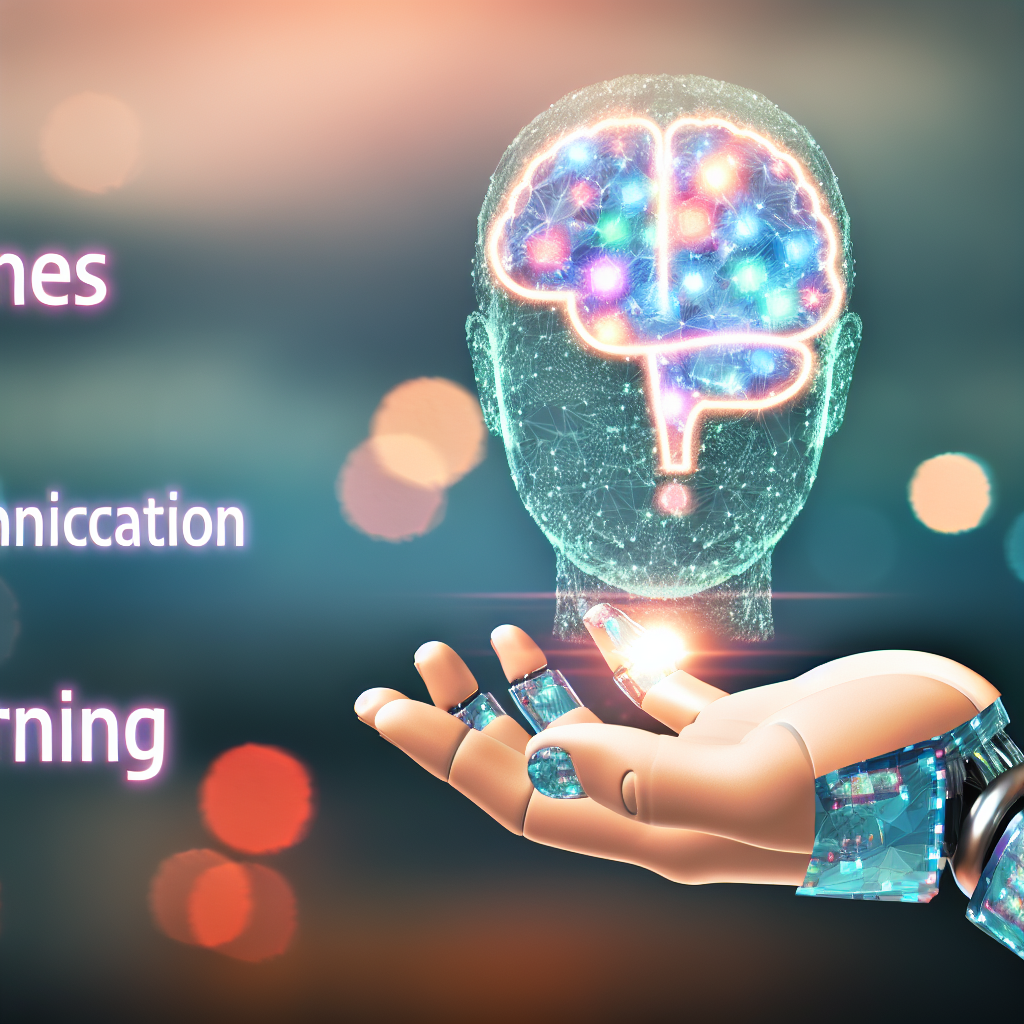
Artificial Intelligence (AI) has woven itself into the fabric of our daily lives, transforming the way we communicate, work, and make decisions. From virtual assistants that help us manage our schedules to advanced algorithms analyzing vast amounts of data, AI is becoming an indispensable tool. This article explores how AI is utilized in daily life and its implications for the future.
Enhancing Daily Routines
In the realm of personal productivity, AI tools have revolutionized how we approach everyday tasks. Virtual assistants like Siri, Google Assistant, and Alexa streamline scheduling, reminders, and information retrieval. These intelligent agents can control smart home devices, making homes safer and more energy-efficient.
Moreover, AI-driven apps analyze individual habits to suggest personalized routines. For instance, fitness trackers use machine learning to offer customized workout plans based on physical activity patterns. Similarly, AI-powered budgeting tools can help manage finances by analyzing spending habits and creating tailored savings plans. By automating these tasks, AI allows individuals to focus on more meaningful activities, making our daily routines not only easier but also more efficient.
Transforming Communication and Learning
AI’s influence extends into communication and education, reshaping how we interact and learn. Chatbots and language translation tools enable real-time conversations across different languages, bridging gaps in communication. This capability is especially beneficial in global business settings or when connecting with friends and family across the world.
In education, AI is personalizing learning experiences. Intelligent tutoring systems assess students’ strengths and weaknesses, allowing for customized lesson plans that adapt in real-time. Furthermore, AI can analyze vast datasets to identify trends in educational methodologies, improving teaching strategies. This fusion of AI with communication and learning not only enhances collaboration and understanding but also empowers individuals to pursue knowledge tailored to their unique needs.
In conclusion, AI is intricately integrated into our daily lives, enhancing routines, revolutionizing communication, and personalizing learning experiences. As we continue to adopt these technologies, the potential for further transformation is immense. Embracing AI effectively can lead to greater efficiency, improved relationships, and a more customized approach to our daily challenges. The future of AI in our everyday lives looks both promising and exciting.