
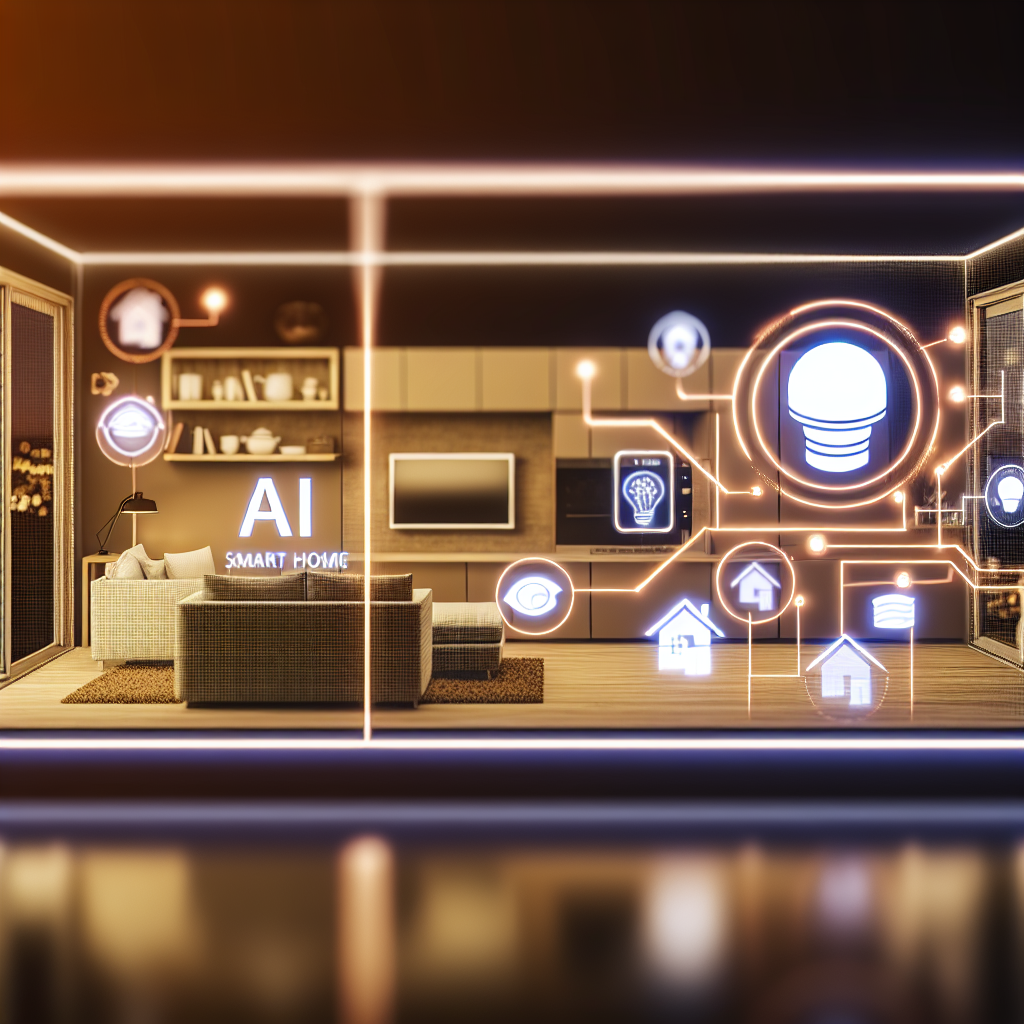
In today’s digital age, smart homes powered by artificial intelligence (AI) are transforming the way we live, offering unprecedented convenience, security, and energy efficiency. This article delves into the integration of AI within smart home technology, examining its benefits, challenges, and the future of our living spaces connected through advanced automation.
The Rise of Smart Homes
Smart homes leverage IoT (Internet of Things) devices to create interconnected living environments that can be controlled remotely. AI plays a crucial role in this ecosystem by enhancing the functionality of these devices, making homes responsive and intelligent. For instance, smart thermostats learn your heating preferences and adjust themselves accordingly, optimizing energy usage and reducing utility bills.
Moreover, AI-driven security systems can analyze video feeds, detect unusual activity, and send real-time alerts to homeowners. By using machine learning algorithms, these systems continually improve their accuracy, providing a greater sense of safety. As a result, homeowners not only enjoy enhanced convenience but also peace of mind, knowing their properties are constantly monitored.
Challenges and Considerations
Despite the many advantages, integrating AI into smart homes poses certain challenges. Privacy concerns are paramount, as these devices often collect vast amounts of personal data. Homeowners must be aware of the privacy policies and security measures of each product they incorporate. Additionally, the interoperability of various devices can be an issue; not all smart home products communicate seamlessly with one another, leading to potential frustrations.
Another consideration is the initial cost of setting up a smart home. While savings on energy bills can be significant in the long run, the upfront investment in AI technology and smart devices can be daunting for some. However, as technology evolves, prices are likely to decrease, making smart homes more accessible.
In conclusion, the convergence of smart home technology and AI is reshaping our living environments by providing enhanced convenience, security, and efficiency. While challenges such as privacy concerns and interoperability issues exist, the benefits often outweigh the drawbacks. As we move forward, embracing AI in smart homes could lead to even more innovative solutions, creating comfortable, safe, and efficient living spaces for everyone.