
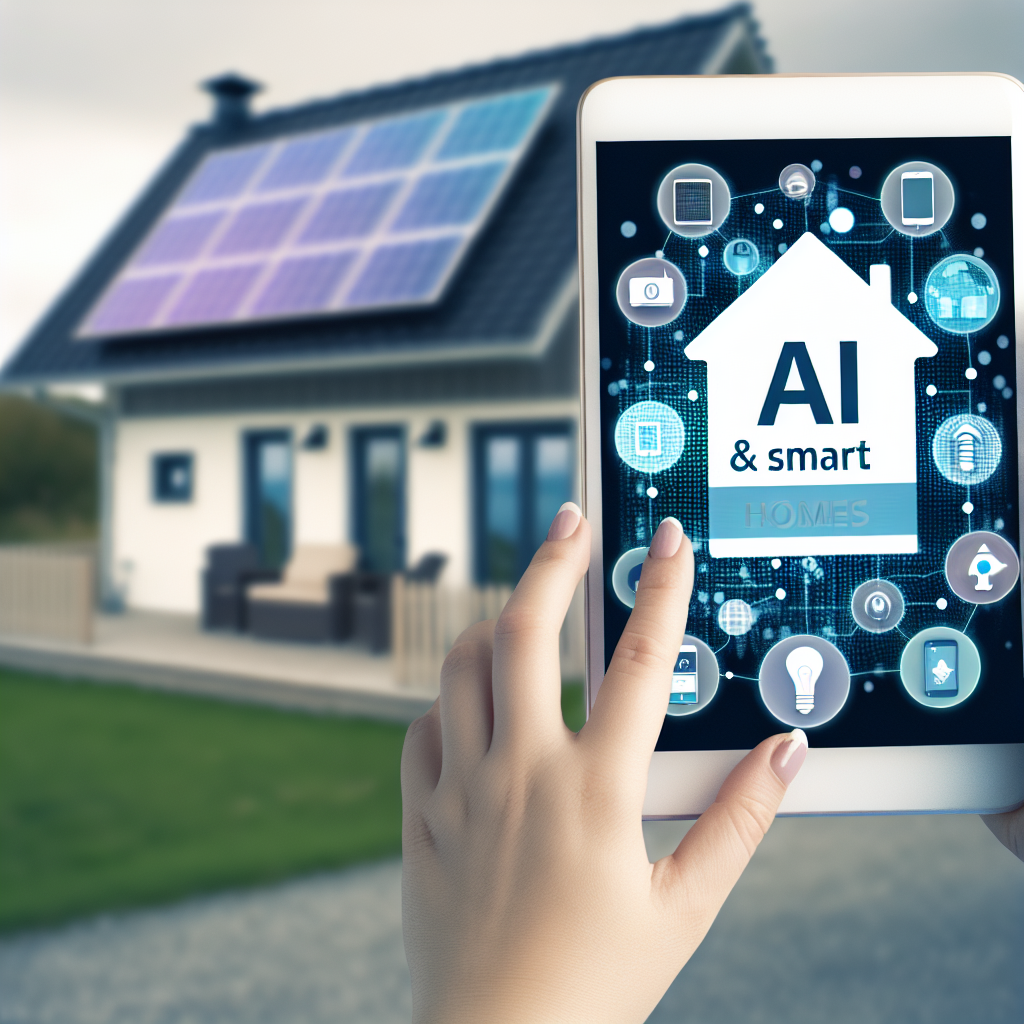
Smart homes have revolutionized the way we interact with our environments, driven largely by advancements in artificial intelligence (AI). This article delves into the transformative impact of smart home technology, exploring how AI enhances convenience, security, and sustainability within our living spaces. We will examine its implications for the future of home living and the evolving relationship between humans and their homes.
The Role of AI in Smart Home Automation
At the core of smart home technology is automation, where AI plays a pivotal role in enhancing user experience. By using machine learning algorithms, smart devices can learn from user behavior and preferences, allowing for customization that suits individual lifestyles. For instance, smart thermostats analyze daily routines to optimize heating and cooling, potentially reducing energy consumption by up to 30%. This not only leads to cost savings but also contributes to environmental sustainability.
Furthermore, voice-controlled AI assistants, like Amazon Alexa and Google Assistant, allow homeowners to interact seamlessly with various appliances. From adjusting lights to setting security systems, these devices simplify daily tasks and provide a centralized hub for control. As these AI systems continue to improve, we can anticipate a future where our homes anticipate our needs and respond proactively.
Enhancing Security and Safety with AI-Driven Smart Homes
One of the most significant advantages of incorporating AI into smart homes is the enhancement of security and safety. AI-powered surveillance cameras and alarm systems can analyze video feeds in real-time, distinguishing between familiar faces and potential intruders. This capability reduces false alarms and provides homeowners with immediate alerts, leading to quicker responses in emergencies.
Additionally, AI enhances overall home safety through predictive maintenance. Smart sensors can detect unusual patterns in appliance behavior, signaling when repairs are necessary. This preemptive action not only saves money but also prevents hazardous situations, such as electrical fires or water damage. As smart home technology continues to evolve, the integration of AI will further bolster our home environments, making them safer and more intuitive.
In conclusion, the fusion of smart home technology with artificial intelligence has redefined how we live, bringing about increased convenience, enhanced security, and sustainable living options. As AI continues to evolve, we can expect an even more integrated and responsive home environment that not only caters to our needs but also promotes safety and efficiency. Embracing these advancements will lead to a smarter, more connected future for our households.