
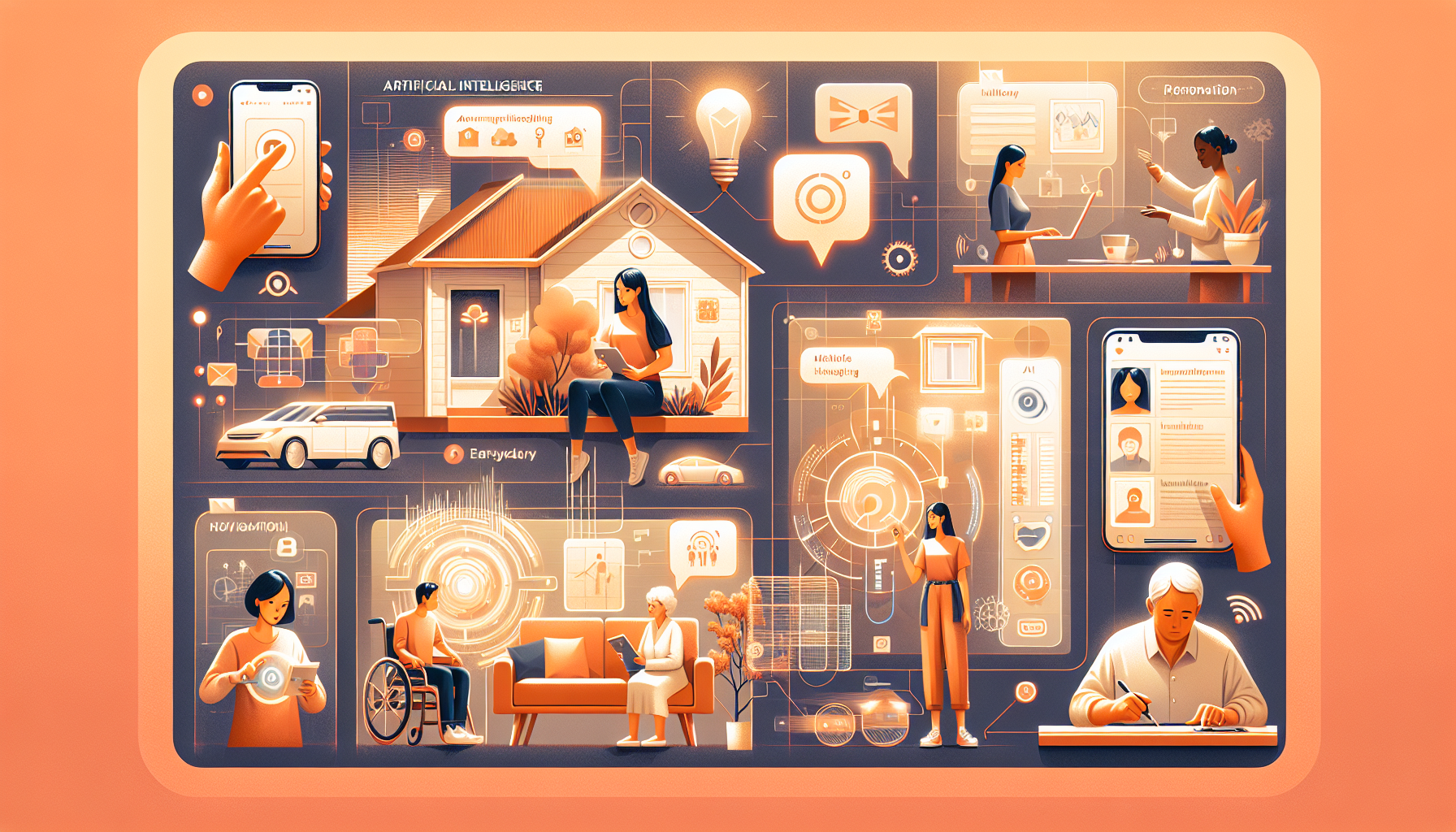
AI utilization in daily life
Introduction
Artificial intelligence has moved from a niche research topic to a practical tool that touches many parts of our daily routines. From the moment we check a weather app to the way we manage work, health, and home devices, AI systems personalize experiences, automate repetitive tasks, and surface useful insights. This article explores concrete ways people use AI at home, at work, and in personal wellbeing, while also addressing the trade offs that come with greater automation. You will find examples of technologies already mainstream, practical benefits and limitations, and guidance on staying secure and ethical as adoption grows. The goal is to offer a clear view of how AI shapes everyday life and what to expect next.
Everyday convenience and smart homes
AI-powered devices increasingly handle routine chores and choices, making daily life smoother. Smart speakers and voice assistants manage timers, play music, and control lighting based on patterns they learn. Thermostats use predictive algorithms to adjust temperature and save energy. Refrigerators and shopping apps suggest purchases by recognizing consumption habits.
- Automation: Routines triggered by presence, time, or habits reduce manual interaction with devices.
- Personalization: Systems adapt lighting, music, and schedules to user preferences over time.
- Energy and cost: AI can optimize heating and cooling to lower bills without manual tuning.
These conveniences depend on data from sensors and user interactions, which links the smart home to broader concerns about interoperability, security, and data sharing with third-party services.
Personal productivity and workplace integration
At work and in personal projects, AI speeds up mundane tasks and augments decision making. Email triage, calendar optimization, document summarization, and automated meeting notes cut time spent on administrative work. Content creation tools help draft text, generate visuals, and suggest edits, allowing professionals to focus on high-value work.
- Workflow automation: Bots and low-code platforms automate repetitive processes, reducing errors and freeing staff time.
- Information retrieval: Search and semantic tools surface relevant documents faster than manual browsing.
- Collaboration: Shared AI features standardize summaries and action items across teams.
Integration with home systems is growing. For example, a morning briefing assembled by AI might combine calendar items, commute time, and home energy status, creating a seamless bridge between personal and professional life.
Health, safety, and education
AI applications in health and learning personalize care and accelerate access to information. Wearables analyze activity and sleep, prompting healthier choices. Telemedicine uses AI for preliminary symptom checks and routing to appropriate care. In education, adaptive learning platforms adjust difficulty and pacing based on student performance, improving outcomes.
- Preventive insights: Pattern recognition can identify risk signals such as irregular heart rhythms or changes in activity.
- Accessible services: Chatbots and triage tools extend basic support outside clinic hours.
- Personalized learning: AI tailors exercises and feedback for students, increasing engagement and retention.
These benefits are powerful but rely on accurate data, careful validation, and human oversight to avoid misdiagnosis or bias in teaching materials.
Ethical considerations, privacy, and future readiness
Widespread AI use raises questions about privacy, bias, and who benefits from automation. Devices collect sensitive data that may be shared with cloud providers and advertisers. Algorithms trained on unrepresentative data can yield unfair outcomes, especially in hiring, lending, or health decisions. Preparing for the future means improving transparency, choosing vendors with clear privacy policies, and cultivating digital skills to work alongside AI.
- Data minimization: Share only what is necessary with services, and use local processing when available.
- Auditing and oversight: Demand explainability for important decisions and keep humans in the loop.
- Skills and policy: Invest in training and support regulations that protect consumers without stifling innovation.
Understanding risks and practical mitigations helps ensure that AI remains a tool that enhances everyday life rather than replaces human judgment.
Quick reference: estimated adoption and impacts
| Area | Typical use | Estimated current adoption |
|---|---|---|
| Smart speakers and voice assistants | Voice control, timers, routines | About one third of households in developed markets |
| Workplace automation | Email triage, meeting summaries, RPA | Widespread in medium and large organizations |
| Wearables and health AI | Activity tracking, alerts | Growing across all age groups, especially adults 25 to 55 |
| Adaptive learning platforms | Personalized lessons and testing | Increasing use in K-12 and online education providers |
Conclusion
AI is already woven into daily routines, improving convenience, productivity, health, and learning while creating new responsibilities around privacy and fairness. Smart homes and personal assistants save time and tailor environments. Workplace tools automate low-value tasks and surface insights, letting people focus on creative and strategic work. Health and education benefit from personalized recommendations, though these must be validated and used with human oversight. To make the most of AI, adopt practical safeguards: limit unnecessary data sharing, choose transparent providers, and keep people involved in important decisions. With balanced policies and informed users, AI can continue to enhance daily life without sacrificing privacy or equity.