
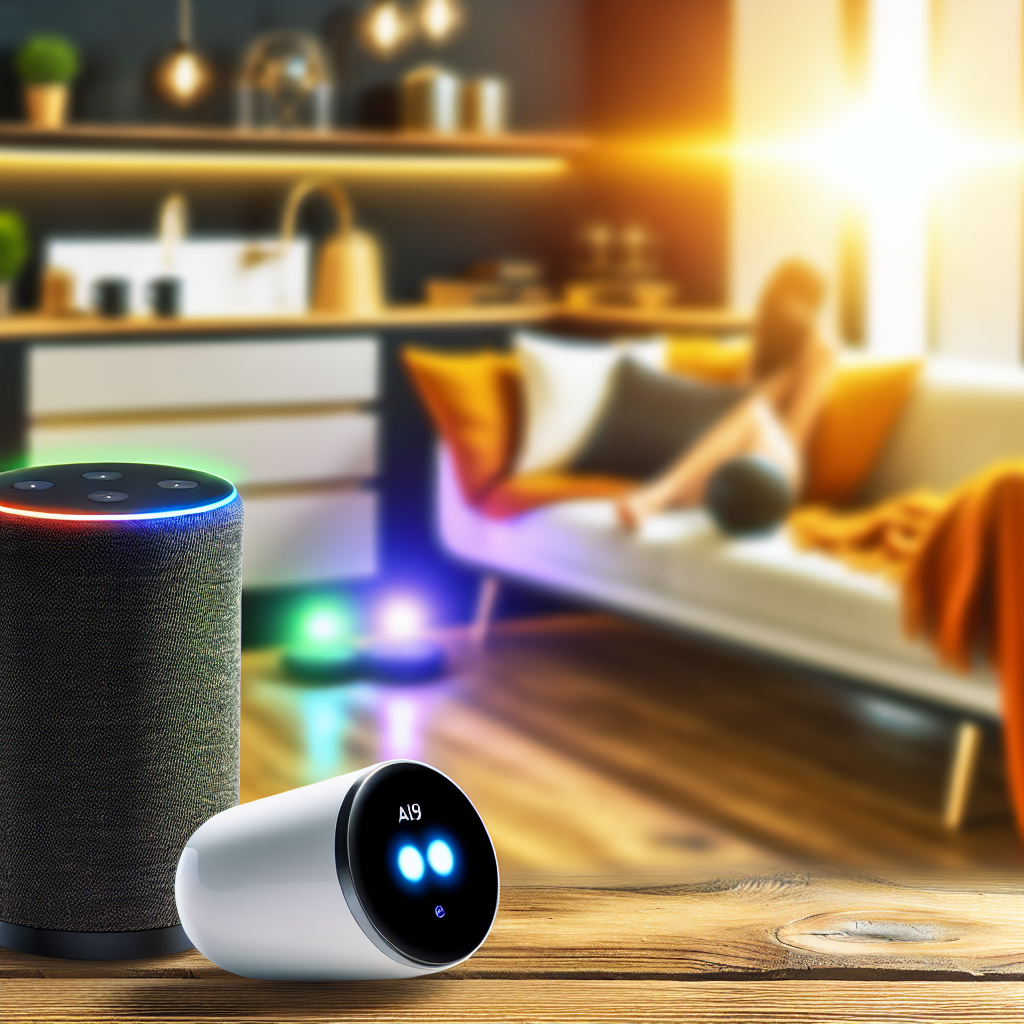
In recent years, the convergence of smart home technology and artificial intelligence (AI) has revolutionized how we interact with our living spaces. This article explores the integration of AI within smart homes, detailing the benefits of enhanced convenience and energy efficiency, and highlighting the future potential of these innovations to create more adaptable and intelligent environments for homeowners.
Understanding Smart Homes and AI Integration
Smart homes leverage interconnected devices to automate and improve various household functions, enhancing comfort, security, and energy management. At the core of this transformation is AI, which processes data from various smart devices, making decisions that optimize home operations. For instance, a smart thermostat can learn a homeowner’s preferences over time and adjust heating or cooling settings accordingly, resulting in significant energy savings and increased convenience.
Additionally, AI-powered assistants like Amazon Alexa, Google Assistant, and Apple Siri play a crucial role in facilitating user interaction with smart devices. These technologies not only respond to voice commands but also integrate with other devices to create a seamless and responsive home environment. As smart homes grow more sophisticated, the capabilities of AI continue to expand, allowing for predictive analytics that can anticipate user needs and streamline daily routines.
The Future of Smart Homes and AI
As the smart home market grows, the future of AI integration promises even more profound changes. Enhanced machine learning algorithms will enable devices to understand user behavior more accurately, and advancements in natural language processing will allow for more intuitive interactions. For example, future AI systems may manage entire home ecosystems autonomously, adjusting lighting, appliances, and security systems based on real-time data and predictive modeling.
Moreover, the implications extend beyond individual homeowners. Smart homes can contribute to energy conservation and reduced carbon footprints on a much larger scale. By optimizing energy usage and employing renewable resources, smart home technologies can significantly mitigate the environmental impact of urban living. As society continues to embrace these innovations, AI-driven smart homes could become central to sustainable living and smart city development.
In conclusion, the fusion of smart home technology and artificial intelligence is transforming our living environments into optimized, responsive spaces that enhance our lives. With ongoing advancements, we can expect smarter, more efficient homes that not only prioritize convenience but also sustainability. Embracing these technologies today will pave the way for a more intelligent and eco-friendly future for homeowners everywhere.