
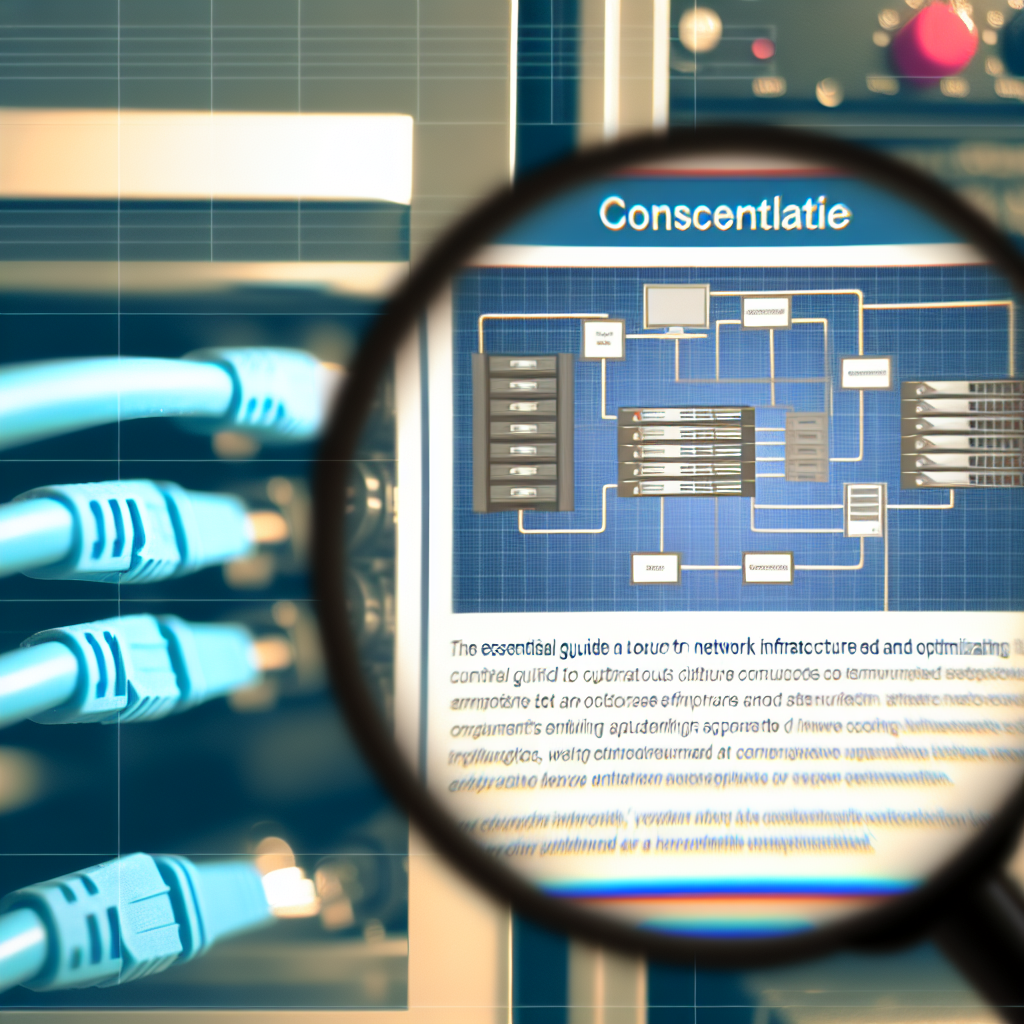
Network infrastructure is the backbone of modern communication systems, encompassing the hardware and software that enable connectivity, data exchange, and resource sharing. In this article, we will delve into the essential components of network infrastructure, discuss their functions, and explore how they can be optimized for better performance in an increasingly digital world.
Components of Network Infrastructure
Network infrastructure comprises several critical components that work together to facilitate seamless connectivity. The main elements include:
- Routers: These devices manage data traffic between different networks, directing packets of data where they need to go.
- Switches: Switches connect devices within the same network, enabling them to communicate efficiently while reducing network congestion.
- Cables and Connectors: Physical connections, including fiber optics and Ethernet cables, ensure the reliable transmission of data.
- Firewalls: Firewalls provide a security layer by monitoring and controlling incoming and outgoing network traffic based on predetermined security rules.
- Access Points: These devices allow wireless devices to connect to a wired network, enhancing mobility and flexibility.
Understanding these components is crucial for building a robust network infrastructure that meets the demands of today’s enterprises. Each element plays a vital role in ensuring data flows smoothly and securely across the network.
Optimizing Your Network Infrastructure
Once you have a solid understanding of the components of network infrastructure, the next step is optimization. This involves upgrading the hardware and software to improve performance, reliability, and security. Here are some effective strategies:
- Implementing Quality of Service (QoS): Prioritizing critical applications ensures that essential services receive the bandwidth they require, reducing latency and enhancing user experience.
- Regular Monitoring: Utilizing network monitoring tools helps identify bottlenecks and potential issues before they escalate, allowing for proactive management.
- Upgrading Infrastructure: Regularly assess your hardware and consider upgrading to newer technologies that support higher speeds and better reliability.
- Investing in Security Measures: As threats evolve, combining firewalls, intrusion detection systems, and regular software updates can protect your network from vulnerabilities.
By optimizing your network infrastructure, you not only enhance its performance but also prepare your organization for future growth and technological advancements.
In conclusion, a well-designed network infrastructure is essential for effective communication and data management in any organization. By understanding its key components and implementing optimization strategies, businesses can ensure their networks are efficient, secure, and ready to meet future challenges. Investing time and resources into your network infrastructure will pay off in improved performance and reliability.