
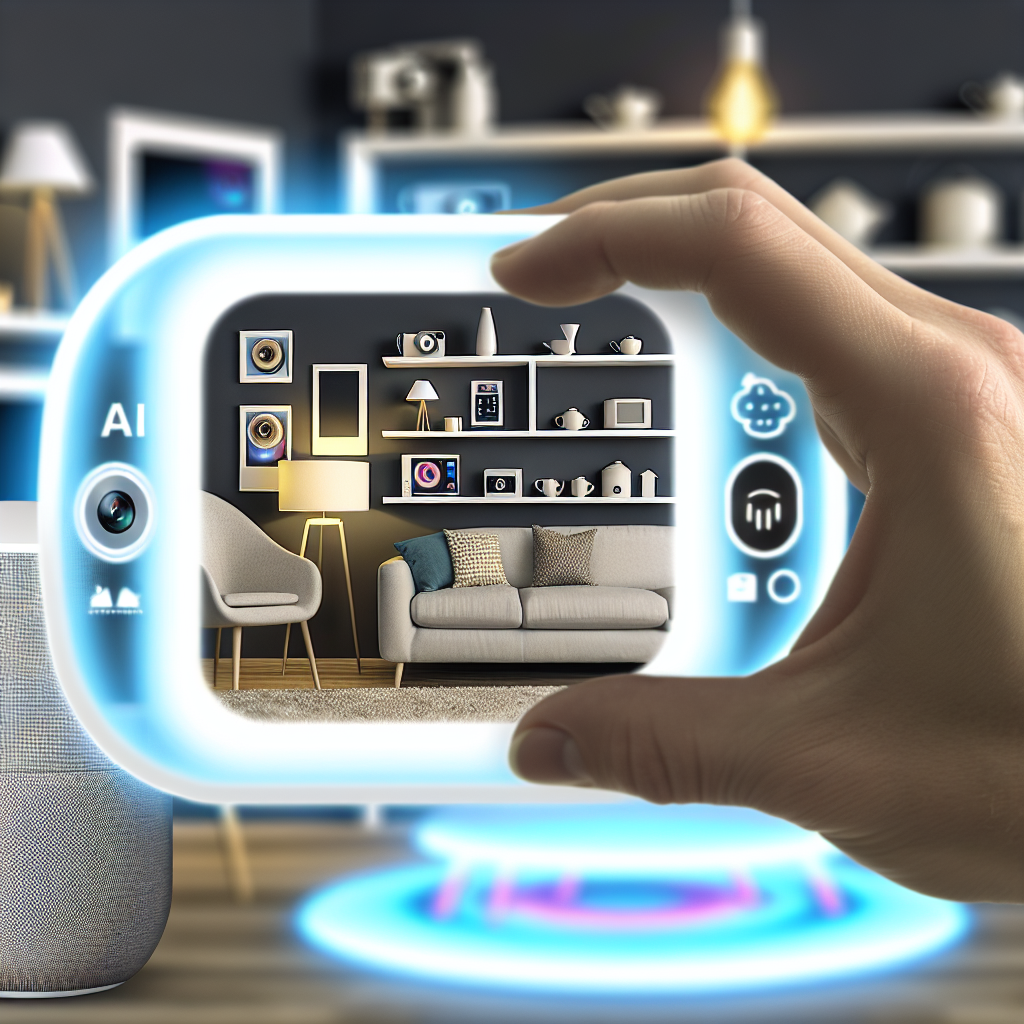
The integration of smart home technology and artificial intelligence (AI) is transforming how we live, work, and interact with our spaces. This article delves into the key components of smart home systems infused with AI, exploring their benefits, the technology behind them, and how they shape a more efficient and connected living experience.
The Rise of Smart Home Technology
Smart home technology encompasses a range of devices and systems designed to enhance the convenience, security, and energy efficiency of our homes. From smart thermostats and lighting systems to security cameras and voice-activated assistants, these innovations work together seamlessly. Central to this evolution is the application of AI, which processes vast amounts of data to enhance decision-making and automate tasks.
One of the most significant benefits of smart home technology lies in its ability to learn user preferences. For example, a smart thermostat can observe your heating and cooling habits, adjusting settings to optimize comfort and reduce energy consumption. This predictive ability not only supports a cleaner environment but also translates to tangible savings on energy bills.
The Role of AI in Smart Homes
Artificial intelligence serves as the brain behind smart home systems. By employing machine learning algorithms, AI analyzes patterns in user behavior to make informed decisions. This includes everything from adjusting lighting based on the time of day to detecting unusual activity within the home, thereby enhancing security.
Moreover, AI extends beyond mere automation. For instance, virtual assistants like Amazon’s Alexa and Google Assistant leverage NLP (Natural Language Processing) to understand and respond to voice commands in a conversational manner. This creates a user-friendly interface that simplifies interaction with various smart devices.
As technology progresses, the interplay between smart home applications and AI is bound to deepen further. Innovative features, including predictive maintenance alerts for home appliances, will continue to emerge, allowing homeowners to proactively handle potential issues before they escalate, thus ensuring smooth and trouble-free living.
In conclusion, the marriage of smart home technology and artificial intelligence stands at the forefront of modern living, bringing a wealth of advantages to homeowners. From enhanced energy efficiency and security to unprecedented convenience and proactive maintenance, AI-driven smart homes are not just a trend but a fundamental shift in how we experience our environments. As these technologies evolve, they promise to revolutionize our daily lives even further.