
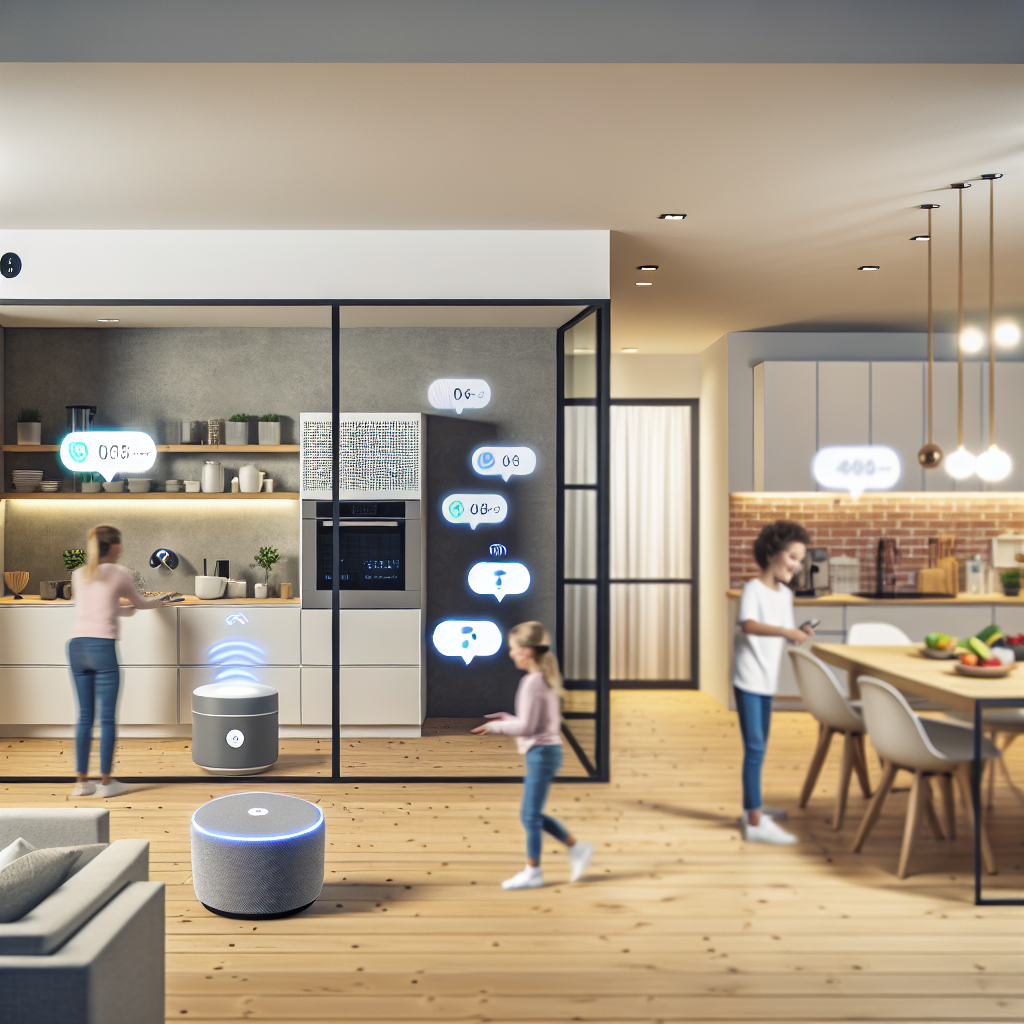
Smart homes and artificial intelligence (AI) are revolutionizing the way we interact with our living spaces. By integrating advanced technology, these innovations create a seamless, interconnected environment that enhances comfort, security, and convenience. In this article, we will explore the relationship between smart home technology and AI, their benefits, and how they are shaping the future of everyday living.
The Role of AI in Smart Homes
AI plays a pivotal role in transforming conventional homes into intelligent living spaces. It enhances automation, allowing devices to learn user preferences and adapt to their routines. Through machine learning algorithms, smart home systems can analyze data from various sources, such as energy consumption patterns and user behavior.
For instance, smart thermostats equipped with AI can adjust temperature settings based on occupancy and personal preferences, optimizing energy use while increasing comfort. Voice assistants like Amazon Alexa and Google Assistant utilize AI to respond to commands, control devices, and provide real-time information, making daily tasks more manageable.
Security systems benefit greatly from AI advancements as well. Smart cameras with facial recognition capabilities can distinguish between familiar faces and intruders, enhancing home security. This technology not only elevates safety but also provides homeowners with peace of mind, knowing their property is monitored by intelligent systems.
Benefits of Smart Homes with AI Integration
The integration of AI in smart homes presents numerous advantages that significantly enhance the quality of life. One key benefit is increased energy efficiency. Smart appliances, lighting, and heating systems can be programmed to operate at optimal times, reducing energy waste and lowering utility bills. Homeowners can also receive insights into their consumption patterns, empowering them to make informed decisions.
Another significant advantage is the enhanced convenience that AI-powered solutions provide. Automation allows for the management of various home functions—from lighting to entertainment—through a single interface. With a simple voice command, it’s possible to control multiple devices simultaneously, eliminating the need for manual adjustments.
Moreover, AI-driven smart homes promote improved accessibility for individuals with disabilities or elderly residents. Voice-activated systems enable users to control their environment effortlessly, enhancing their independence and quality of life.
In conclusion, the integration of smart home technology and AI is reshaping how we interact with our living spaces. With enhanced efficiency, convenience, and accessibility, these innovations promise to make our homes safer and more enjoyable. Embracing this technology is not just a trend; it’s a step towards a more connected and intelligent future in our daily lives.