
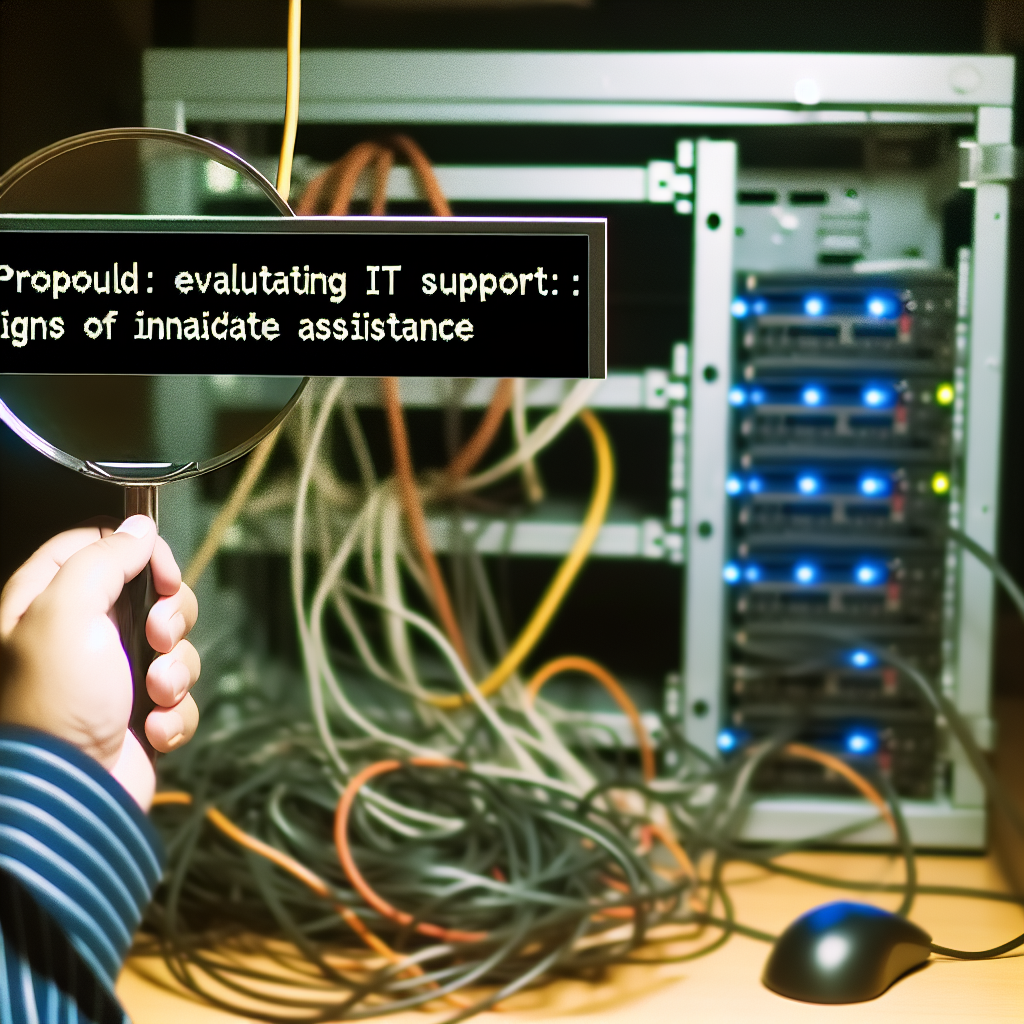
As businesses increasingly rely on technology, the need for effective IT support becomes paramount. Evaluating whether your current IT support meets your needs can be crucial for your organization’s efficiency, security, and growth. This article delves into recognizing signs of inadequate IT support and exploring the essential components of effective IT assistance to ensure your business thrives.
Recognizing the Signs of Inadequate IT Support
Identifying the symptoms of inadequate IT support is the first step in addressing the issue. Common indicators include:
- Frequent Downtime: If your systems experience regular outages, it’s a clear signal that your IT support may not be up to par.
- Slow Response Times: A delayed response to issues can lead to frustration and lost productivity, showcasing a lack of adequate support.
- Inconsistent Communication: Poor communication can lead to misunderstandings, further complicating problem resolution.
- Lack of Proactive Measures: An effective IT support team should anticipate potential issues rather than just reacting to problems as they arise.
By closely monitoring these aspects, businesses can determine if their current IT support is truly adequate or if it’s time to seek improvements.
Evaluating Your IT Support Structure
Once you’ve identified potential weaknesses, it’s essential to evaluate your IT support structure comprehensively. Consider the following factors:
- Skill Set and Expertise: Assess whether your IT team possesses the necessary skills to handle current technologies and future advancements. Regular training and certifications are crucial in staying ahead.
- Service Level Agreements (SLAs): Review your SLAs to ensure they align with your business goals. Understand the response and resolution times outlined, and whether they meet your operational needs.
- Scalability: Determine if your IT support can scale with your business. As you grow, your IT needs will change, and your support should adapt accordingly.
- Customer Satisfaction: Gather feedback from your team about their experiences with IT support. A dissatisfied workforce can indicate systemic issues that need addressing.
By taking a holistic approach to evaluate your IT support, you can pinpoint specific areas for enhancement, ensuring that your technology environment remains secure, efficient, and scalable.
In conclusion, assessing the adequacy of your current IT support is vital for maintaining operational efficiency and supporting business growth. By recognizing signs of inadequate service and evaluating the structure of your IT support, you can make informed decisions to enhance your technology resources. Ultimately, ensuring robust IT support will empower your organization to face future challenges confidently.