
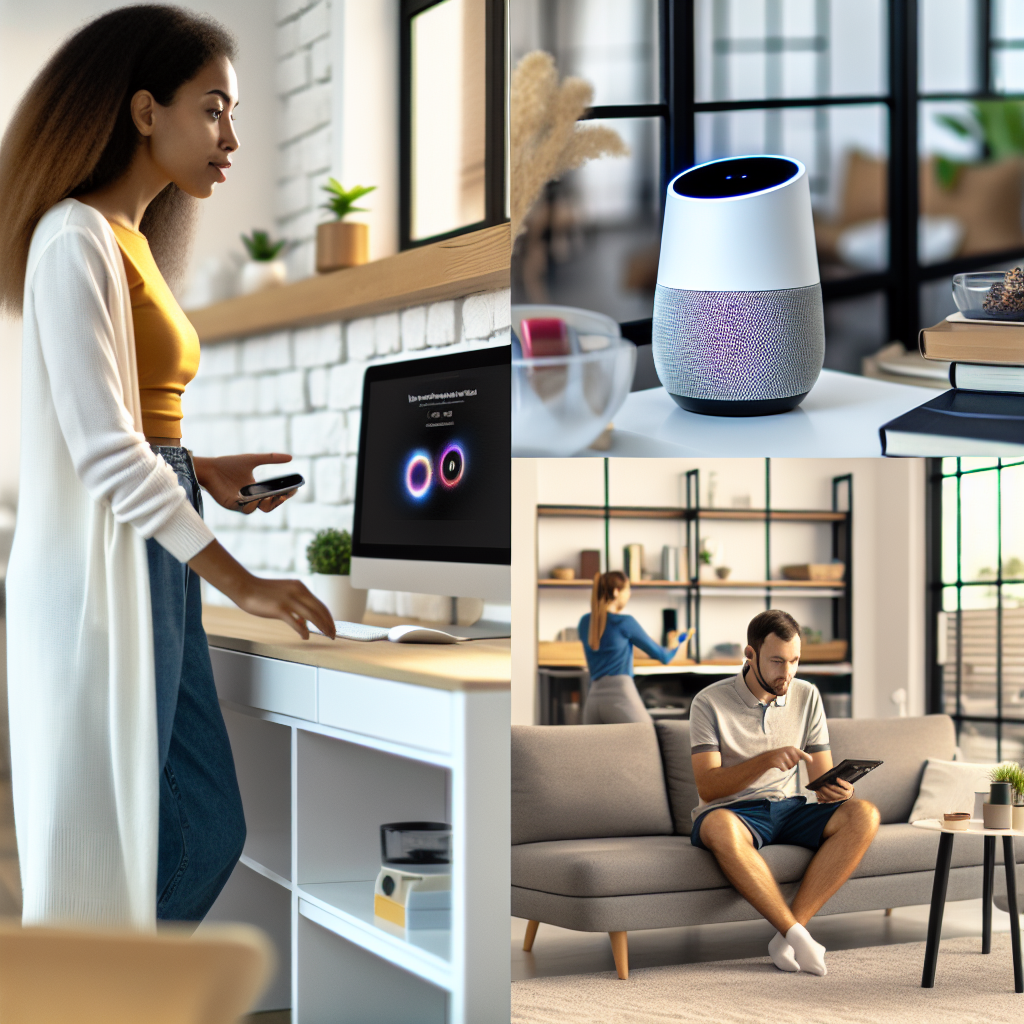
Artificial Intelligence (AI) is becoming an integral part of our daily lives, influencing how we work, communicate, and solve problems. From personal assistants in our devices to advanced algorithms that enhance productivity, AI is reshaping our routines. In this article, we will explore the practical applications of AI in daily life and its profound implications for our future.
AI in Personal Assistants
One of the most visible impacts of AI in our daily lives is through personal assistants. Devices such as Amazon’s Alexa, Apple’s Siri, and Google Assistant utilize advanced natural language processing and machine learning algorithms to perform tasks upon voice command. These assistants streamline daily activities by managing schedules, setting reminders, controlling smart home devices, and even answering complex queries.
Moreover, the more you interact with these assistants, the better they become at understanding your preferences. For instance, they can learn your favorite music genres, preferred news sources, and even your shopping habits, tailoring their responses to better suit your lifestyle. This personalized experience is a prime example of how AI enhances convenience, saving time and improving efficiency in our everyday tasks.
AI in Health and Wellness
Beyond personal assistants, AI technologies are making significant strides in the health and wellness sector. Wearable devices like fitness trackers and smartwatches use AI algorithms to monitor vital signs and physical activity levels, providing valuable insights into overall health. They analyze patterns and can even detect anomalies, alerting users when they need to seek medical attention.
AI is also revolutionizing telemedicine, enabling remote consultations and diagnostics. Machine learning algorithms can analyze medical images, assist in diagnosing conditions, and even predict patient outcomes. With these advancements, AI is not only improving individual health management but also optimizing healthcare systems, making them more responsive and personalized.
In conclusion, AI’s incorporation into our daily lives—from personal assistants to health monitoring—illustrates its vast potential to enhance our routines and overall well-being. As we continue to embrace these technologies, it’s crucial to understand their implications on both individual and societal levels. The future of AI looks promising, and its evolution will likely lead to even greater advancements that can simplify and enrich our lives.