Fintech, or financial technology, is revolutionizing the way we manage, invest, and interact with money. This article explores the evolution of fintech, its impact on traditional banking, and the emerging trends shaping the future of financial services. As technology continues to advance, understanding these elements becomes crucial for consumers and businesses alike.
The Evolution of Fintech
Fintech has undergone significant transformation since its inception. Originally, it referred to the use of technology in banking back-office systems. However, with the advent of the internet and mobile technologies, fintech has expanded to encompass a wide range of services including digital payments, peer-to-peer lending, and investment platforms. Major milestones in this evolution include the introduction of online banking in the late 1990s and the emergence of blockchain technology in the 21st century.
The proliferation of smartphones has further accelerated the growth of fintech. Today, users can access banking services, invest in stocks, and even manage their personal finances with just a few taps on their screens. This accessibility has democratized finance, enabling even the most underserved populations to gain financial access.
Impact on Traditional Banking
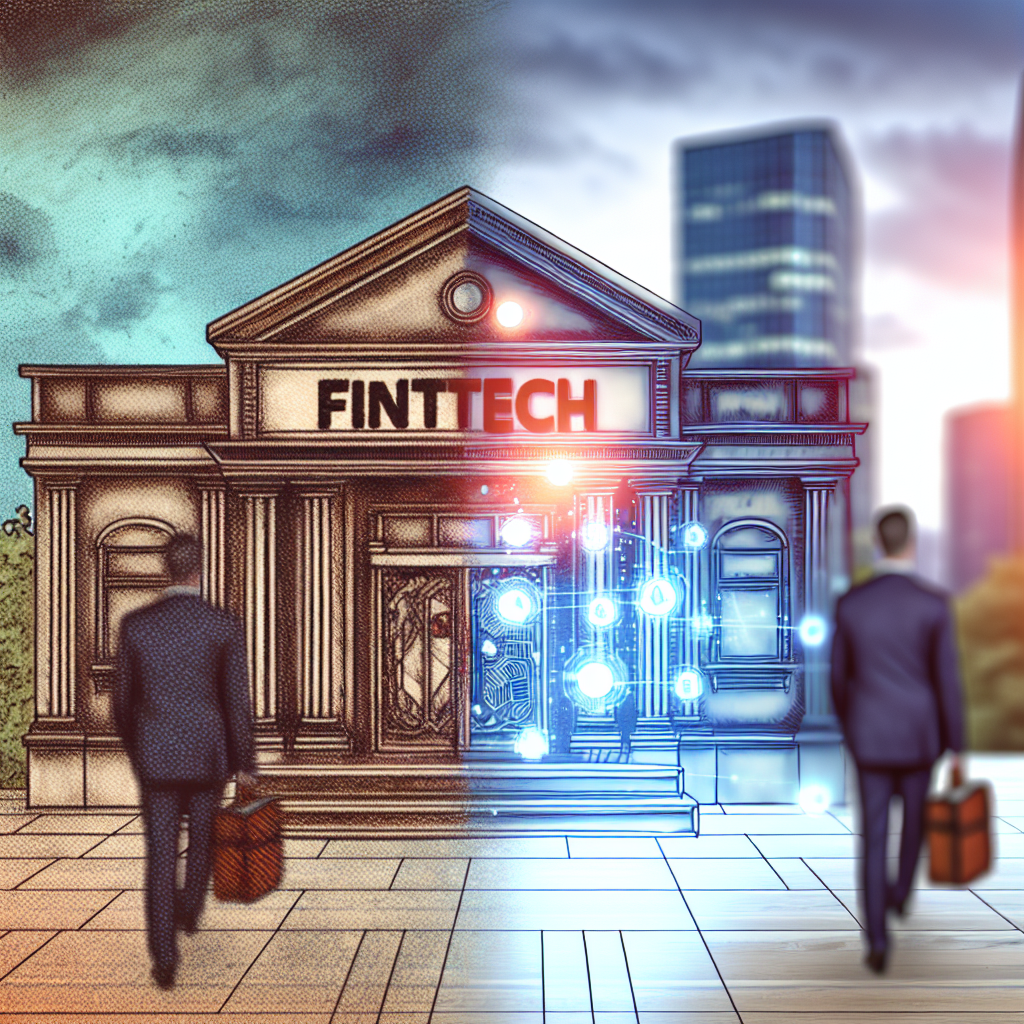
The rise of fintech has posed significant challenges for traditional banking institutions. As digital-only banks and innovative startups emerge, they have begun to capture market share by offering lower fees, greater convenience, and more personalized services than traditional banks. This has forced established financial institutions to rethink their strategies, leading many to invest in technology and collaborate with fintech companies.
Moreover, regulatory pressures have increased as countries around the world adapt to the rapid pace of fintech innovation. Regulators are now tasked with creating frameworks that ensure consumer protection without stifling innovation. As both fintech companies and traditional banks navigate these changes, they are likely to find new ways to coexist and leverage each other’s strengths, ultimately benefiting consumers.
In conclusion, fintech is not just a trend; it represents a paradigm shift in the financial landscape. Its evolution has challenged traditional banking models while empowering consumers with greater choices and convenience. As we look to the future, staying informed about fintech advancements will be essential for both individuals and businesses as they adapt to this continuously changing environment.