
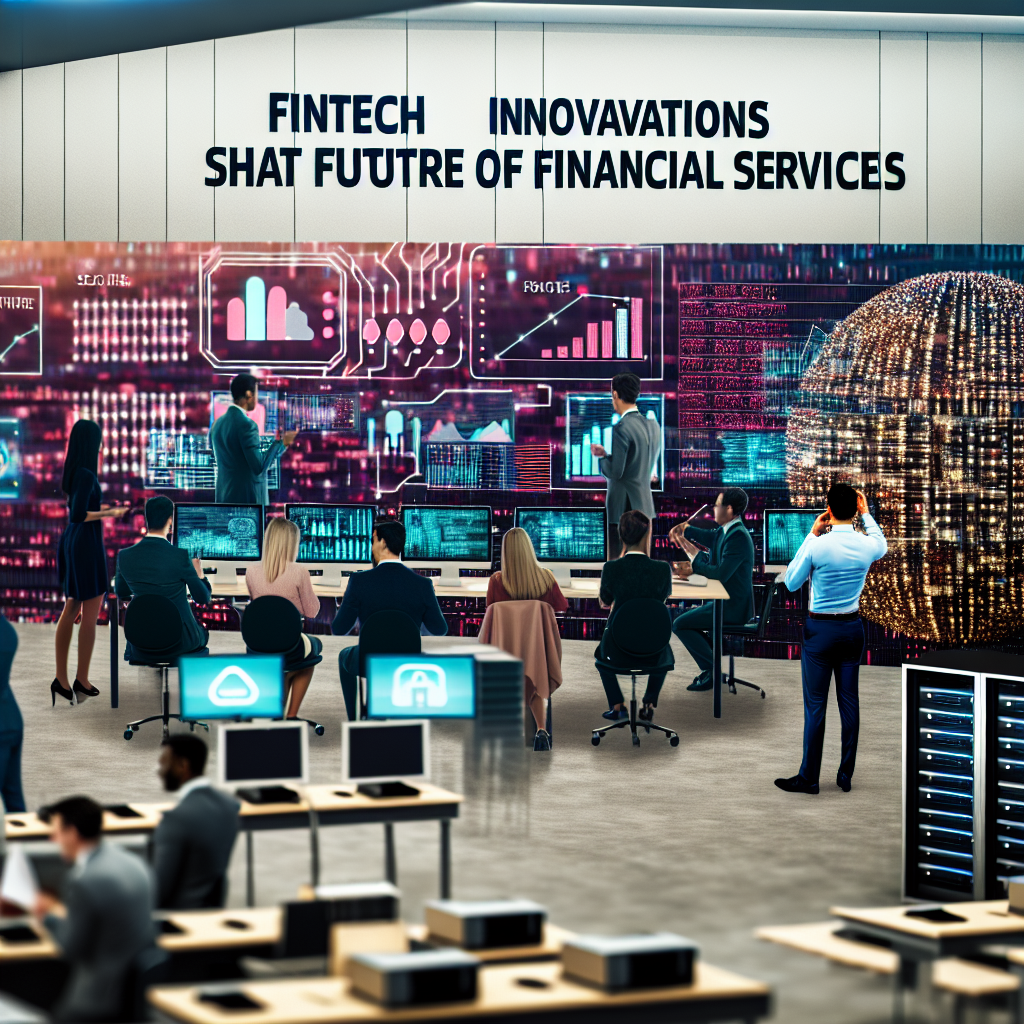
Fintech, a portmanteau of “financial technology,” is revolutionizing how we manage our finances, invest, and conduct transactions. This article will explore the innovative technologies that drive the fintech sector, delve into its diverse applications, and analyze the impact it has on traditional banking and finance. Let’s uncover the transformative potential of fintech and its role in shaping the future of financial services.
The Rise of Fintech Innovations
The fintech industry is characterized by rapid technological advancements that enable more efficient financial solutions. Technologies such as blockchain, artificial intelligence, and big data analytics have become foundational in creating seamless, secure, and personalized financial services. Blockchain, for instance, offers decentralized solutions that enhance transparency and security in transactions.
Artificial intelligence is another key player, automating processes such as fraud detection, credit scoring, and customer service through chatbots. These innovations not only streamline operations but also provide consumers with enhanced experiences. By leveraging big data, fintech companies can analyze consumer behavior to tailor products and services, making financial management easier and more accessible for all.
Fintech’s Impact on Traditional Banking
The emergence of fintech has prompted a significant shift within the banking sector. Traditional banks are now faced with competition from agile fintech startups that offer lower fees and user-friendly platforms. This has led to an increase in collaboration as many banks partner with fintech companies to enhance their services. By integrating technology into their existing frameworks, banks can innovate while maintaining trust and regulatory compliance.
Moreover, the rise of neobanks—digital banks without physical branches—has redefined customer interactions with banking services. These platforms provide a cost-effective alternative, allowing users to manage finances with convenience and flexibility. As fintech continues to evolve, it becomes imperative for traditional banks to adapt or risk becoming obsolete.
In conclusion, the fintech industry is not just a passing trend; it is a fundamental shift in how we approach financial services. With its innovative technologies reshaping banking, fintech enhances customer experiences and challenges traditional institutions to rethink their business models. As we move forward, the collaboration between fintech firms and banks will likely play a crucial role in shaping the future landscape of finance.