
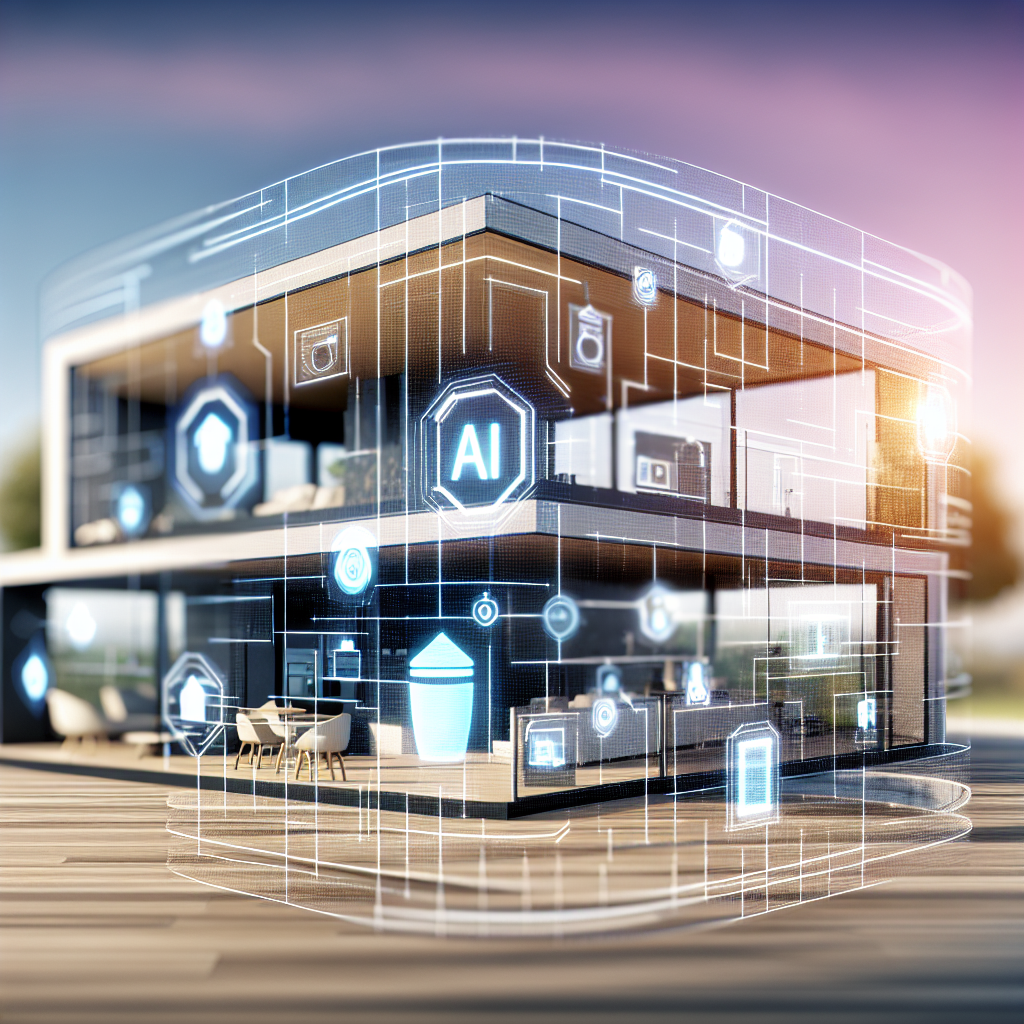
Smart Homes and AI: The Future of Living
In recent years, the integration of smart home technology and artificial intelligence (AI) has increasingly become a focal point in modern living. This article delves into how these technologies are transforming our homes into intuitive, efficient living spaces that not only enhance convenience but also ensure improved energy management and security.
The Rise of Smart Homes
Smart homes leverage technology to provide automated conveniences that enhance daily living. They utilize an array of devices, such as smart speakers, thermostats, and lights, which can be controlled remotely or programmed to operate autonomously. At the heart of this technology is Internet of Things (IoT), allowing devices to communicate and function together seamlessly.
One of the primary advantages of smart homes is energy efficiency. Smart thermostats can learn a homeowner’s schedule and adjust heating or cooling systems accordingly, significantly reducing energy bills. Additionally, smart lighting systems can turn off when rooms are unoccupied or adjust brightness based on natural light levels, further conserving energy.
Moreover, smart home devices often incorporate advanced security features. Smart cameras, motion sensors, and door locks can be monitored and controlled via smartphones. This capability allows homeowners to keep a close eye on their properties in real-time, whether they’re at home or away, thus enhancing their peace of mind.
The Role of AI in Enhancing Smart Home Experiences
Artificial intelligence plays a crucial role in maximizing the potential of smart home technology. By analyzing user data, AI can predict and adapt to preferences, creating a personalized experience. For instance, AI-powered virtual assistants like Amazon’s Alexa or Google Assistant can perform tasks such as setting schedules, controlling devices, and even managing grocery lists, all through natural language processing.
AI also enhances automation in smart homes through machine learning algorithms that can analyze patterns over time. For example, if a user typically comes home at a specific time, the system can learn this behavior and adjust lighting, heating, and even preheat the oven in anticipation. This not only improves convenience but also fosters a more cohesive and integrated living environment.
Furthermore, AI can facilitate predictive maintenance of smart home devices. It can monitor performance and detect anomalies, thereby informing homeowners when appliances may need servicing or replacements. This proactive approach reduces downtime and maximizes the longevity of expensive devices.
Conclusion
The integration of smart home technology with artificial intelligence is redefining modern living. By enhancing energy efficiency, security, and overall convenience, these advancements create homes that truly understand and respond to our needs. As technology continues to evolve, we can expect even more innovative solutions that will further enrich our living environments and make our lives easier.