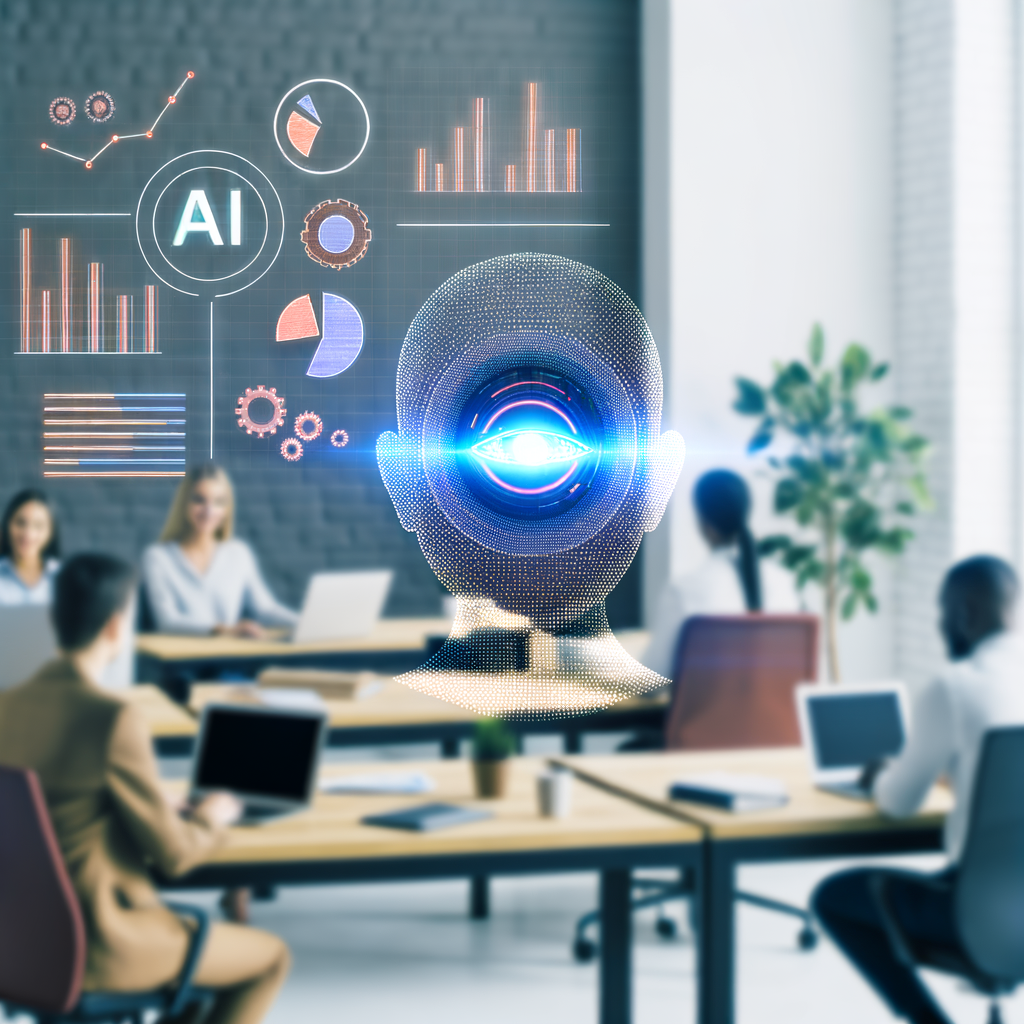
In today’s fast-paced business environment, integrating artificial intelligence (AI) into your workforce can be a game-changer. This article explores how AI can effectively function as an employee, enhancing productivity and streamlining operations. By understanding its applications and benefits, companies can leverage AI to gain a competitive edge.
Understanding AI as an Employee
To fully harness the power of AI, it’s essential to recognize its capabilities as an employee. Unlike traditional workers, AI can process vast amounts of data, analyze trends, and automate repetitive tasks at an unprecedented speed. This enables human employees to focus on more strategic initiatives, increasing overall productivity. The key areas where AI excels include:
- Data Analysis: AI can quickly identify patterns and insights from data that humans might overlook.
- Customer Support: Chatbots powered by AI can handle customer inquiries 24/7, ensuring consistent communication.
- Process Automation: Routine tasks such as scheduling, invoicing, and reporting can be automated, freeing up human resources for more creative tasks.
By integrating AI into these functions, businesses not only streamline their operations but also foster a more innovative work environment. This partnership between human capabilities and AI technology can lead to significant growth and improved employee satisfaction.
Implementing AI into Your Workforce
Integrating AI tools into your workforce requires a strategic approach. First, identify specific tasks or processes where AI can add value. Conduct a thorough analysis of workflows to determine areas for improvement. Once you’ve identified opportunities, select the right AI tools that align with your business goals. Focus on solutions that are user-friendly and easily adaptable to your existing systems.
Training your employees to work alongside AI is also crucial. Providing education on how to utilize AI tools effectively can enhance collaboration and dispel any fears regarding job displacement. Encourage a culture of innovation where employees feel empowered to leverage AI for creative problem-solving. Finally, establish metrics to measure the effectiveness of AI implementation, ensuring continuous improvement and adaptation.
In conclusion, allowing AI to function as an employee can significantly enhance your business operations. By understanding its capabilities and strategically implementing AI tools, companies can improve efficiency, foster innovation, and maintain a competitive edge in the marketplace. Embracing AI not only paves the way for smarter workflows but also enriches the potential of your human workforce, leading to a more productive future.